
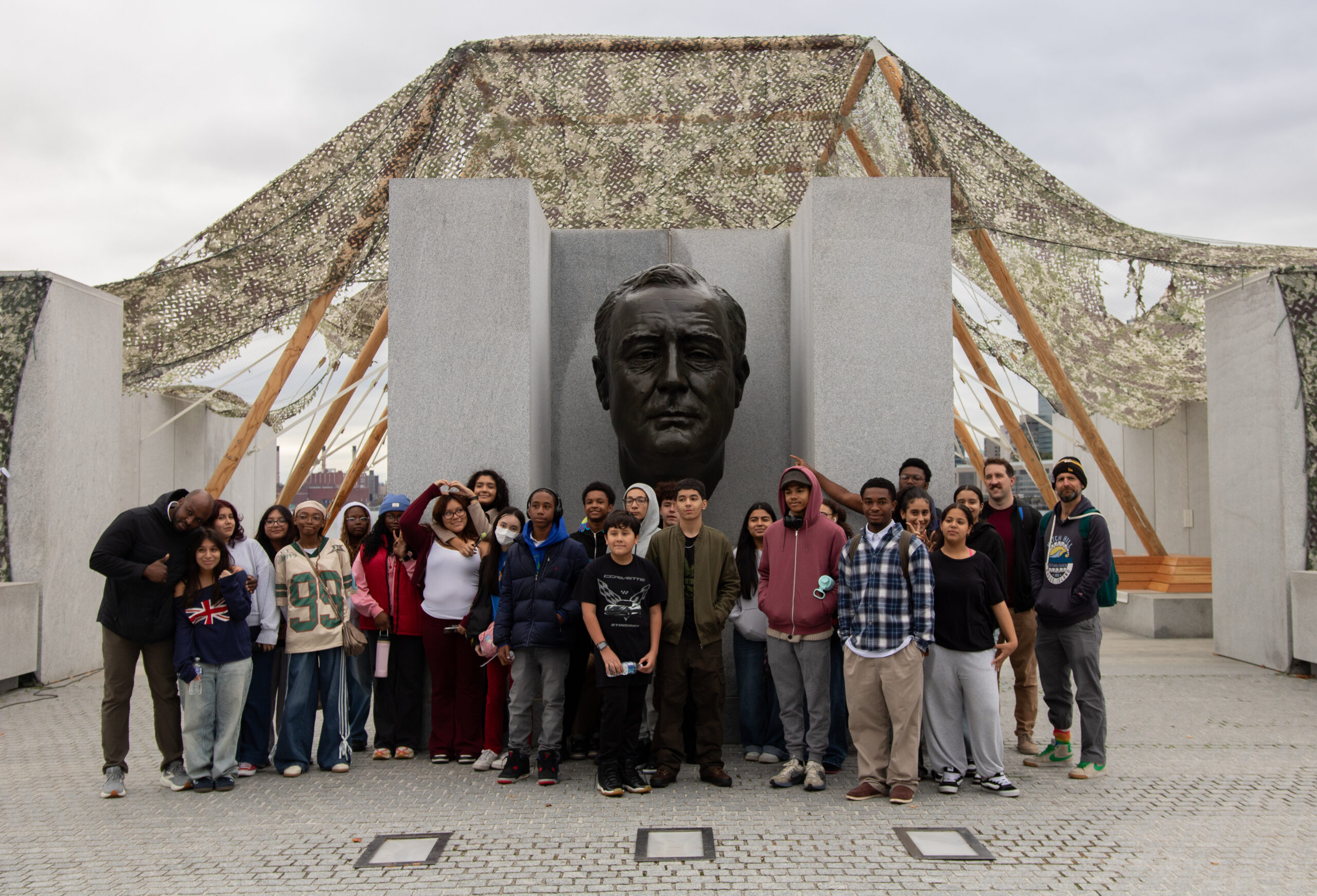
For the New York natives and those looking for another New York experience, Roosevelt Island—found on the F line, in between its transition from Manhattan to Queens—is an experience like no other, specifically Four Freedoms Park. I remember the instant relief I felt when I took my first steps on the island. The subtle breeze and satisfying waves of the East River consumed my senses, and I thought, “has this place always been here?” As I walked towards the park, I realized the distant sounds of Midtown Manhattan and how far they felt when they were only 1,000ft away. In just a few minutes, I would learn the history of Four Freedom’s Park–the living legacy of Louis Kahn and Franklin D. Roosevelt.
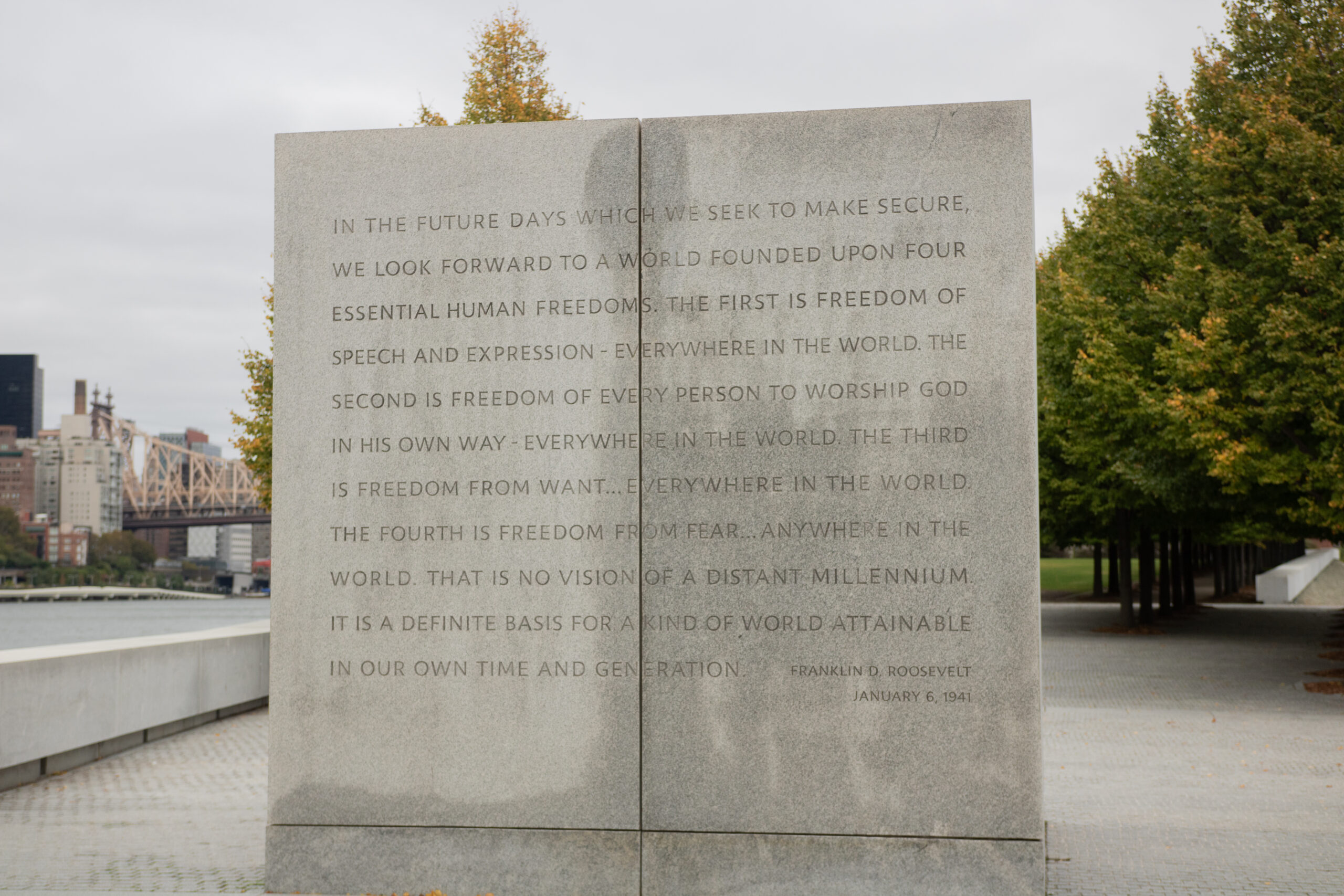
Louis Kahn, a designer and architect mainly credited as being the father of modernism, created the plans for Four Freedoms before he passed away rather tragically in Penn Station. Nevertheless, the park is meticulously designed around Franklin D. Roosevelt’s passion for global peace and freedom. Freedom from want, freedom from fear, freedom of speech, and freedom of worship—these were the ideals Roosevelt laid out in his 1941 State of the Union address, at a time when the world was on the brink of war. They weren’t just political goals; they were moral ones. Standing in Four Freedoms Park, it’s hard not to feel the weight of those words. Every granite block, every sharp angle of Louis Kahn’s design seems to echo Roosevelt’s vision of a world built on dignity and understanding.
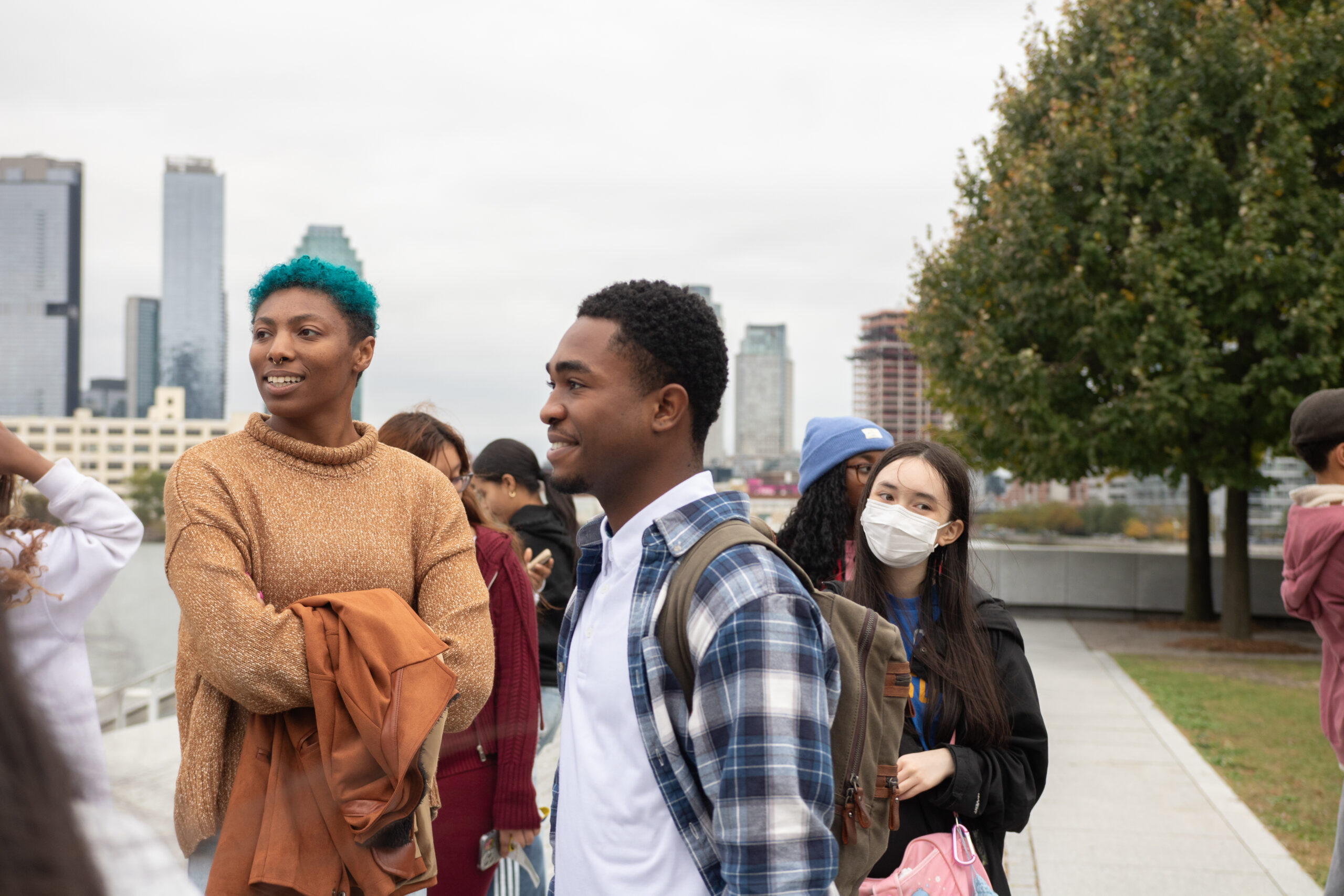
A few weeks ago, I took a group of students to the park to experience this history for themselves. It wasn’t a typical field trip—it was an invitation to step into a space where architecture and ideals meet. As we walked through the tree-lined paths and looked out at the skyline, I asked the students to think about what freedom means today. Some pointed to the openness of the design, others to the quiet moments of reflection it allows. The conversation naturally turned toward art—how it shapes our shared understanding of justice, expression, and hope.
That conversation feels especially relevant now, as I serve as a juror on the Art x Freedom Public Art Commission. Our goal is to select an artist who can create a permanent installation at the park—something that honors Roosevelt’s legacy while speaking to the freedoms and challenges of our own time. It’s a delicate balance: respecting history while making space for new voices and new interpretations of liberty.
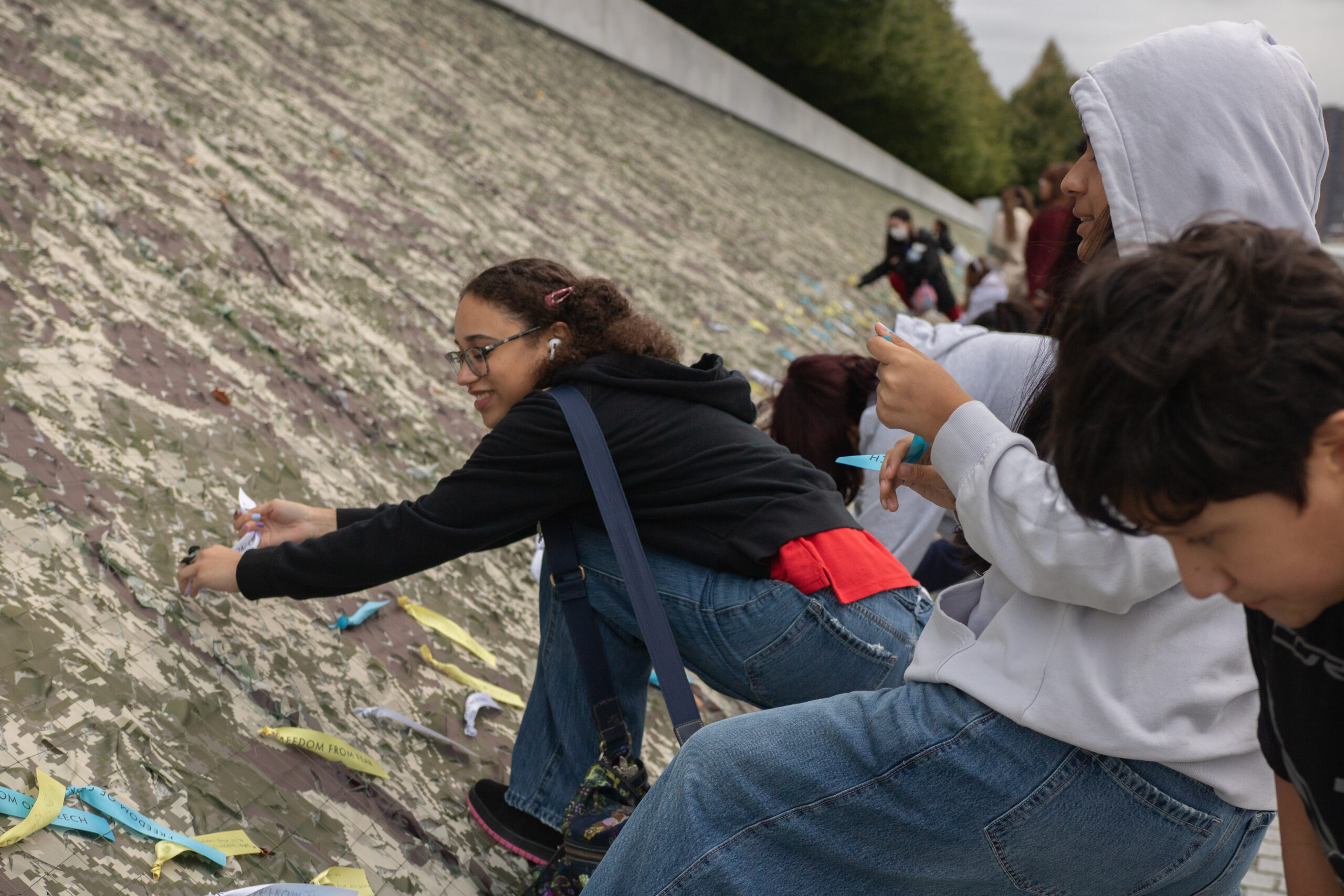
The park’s new public art initiative took its first step this season with the installation of Ai Weiwei’s Camouflage exhibit. Weiwei, known for his fearless approach to truth and transparency, feels like the perfect artist to set this movement in motion. His work reminds visitors that freedom—whether of speech, thought, or creation—is something that must constantly be protected and reimagined. Standing beneath the play of light and shadow across his vivid patterns, I watched as the students took it all in, their conversations quiet but alive.
Four Freedoms Park isn’t just a memorial. It’s a living classroom, a public square for dialogue between past and present. As I continue my work with the commission, I can’t help but think that maybe this is what Roosevelt and Kahn both envisioned—a space where ideas can stand as solidly as stone, and where the pursuit of freedom continues, one thoughtful step at a time.