
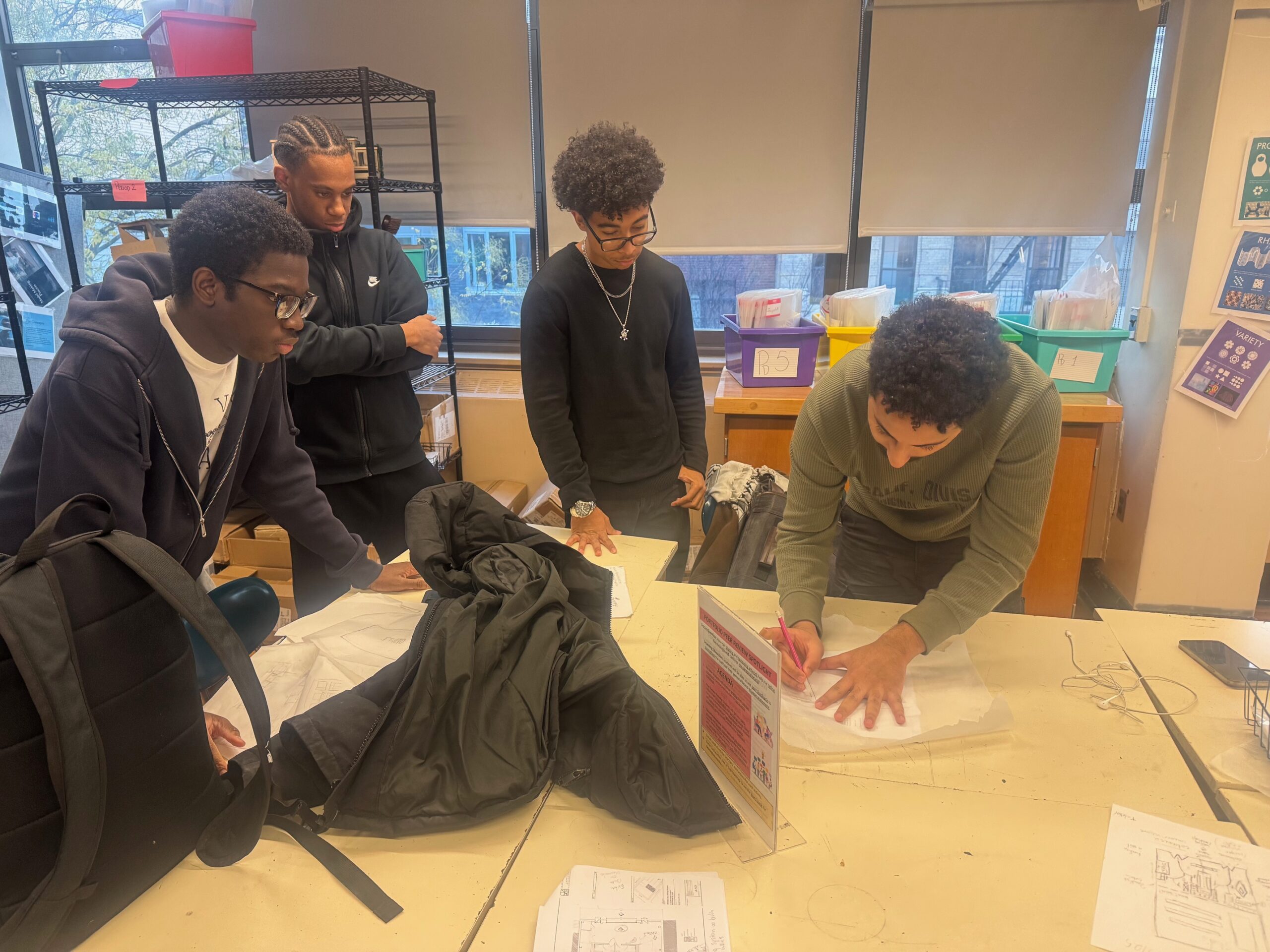
Thank you to Sophomore, Chris Chen, for sharing thoughts regarding this year’s CTA program.
For the past three years, CTA Architects has been partnering with WHSAD as an architectural program. What is CTA Architects you may ask? CTA Architects is an architecture firm, established in 1987, and primarily focused on large buildings. CTA offers a chance for students to be able to have that opportunity of how it feels to be an architect. This afterschool program allows students to work with real architects as mentors who give students feedback to work on and grow a presentation of a specific project that allows them to experience the feeling of working and presenting to a client.
The students work based on a schedule where students are able to work, then send their mentors an update of what they’ve worked on that week. Mentors are able to come to the school and also work with them along with giving feedback and ideas. If the students want to meet with their mentor outside of that schedule, they’re able to request a meeting online instead. By the end of the month, students will be presenting what they’ve worked on and gain some feedback from the professionals at CTA. This will be the fourth year for the program, and this year’s project is based on renovating a dance studio.
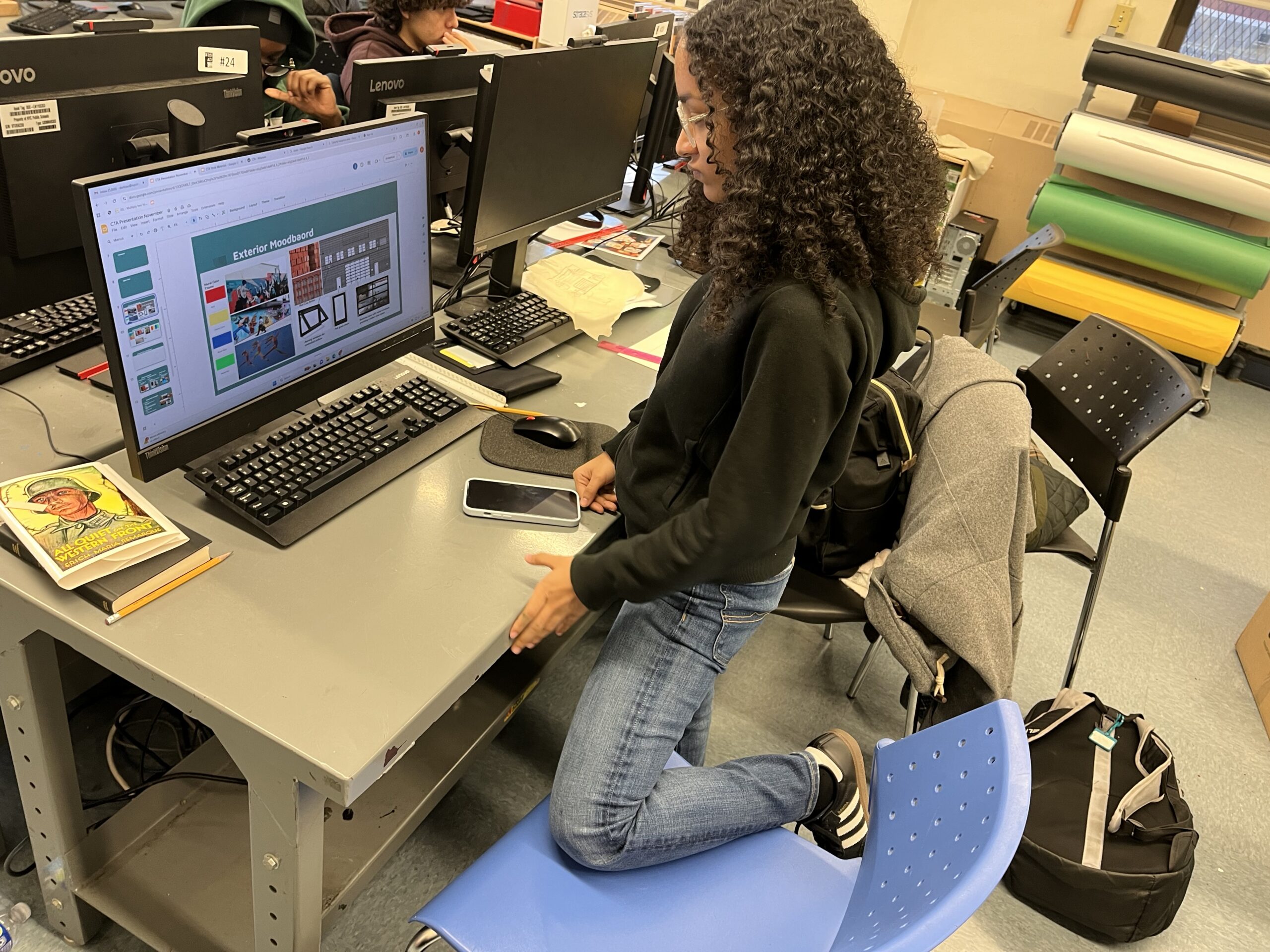
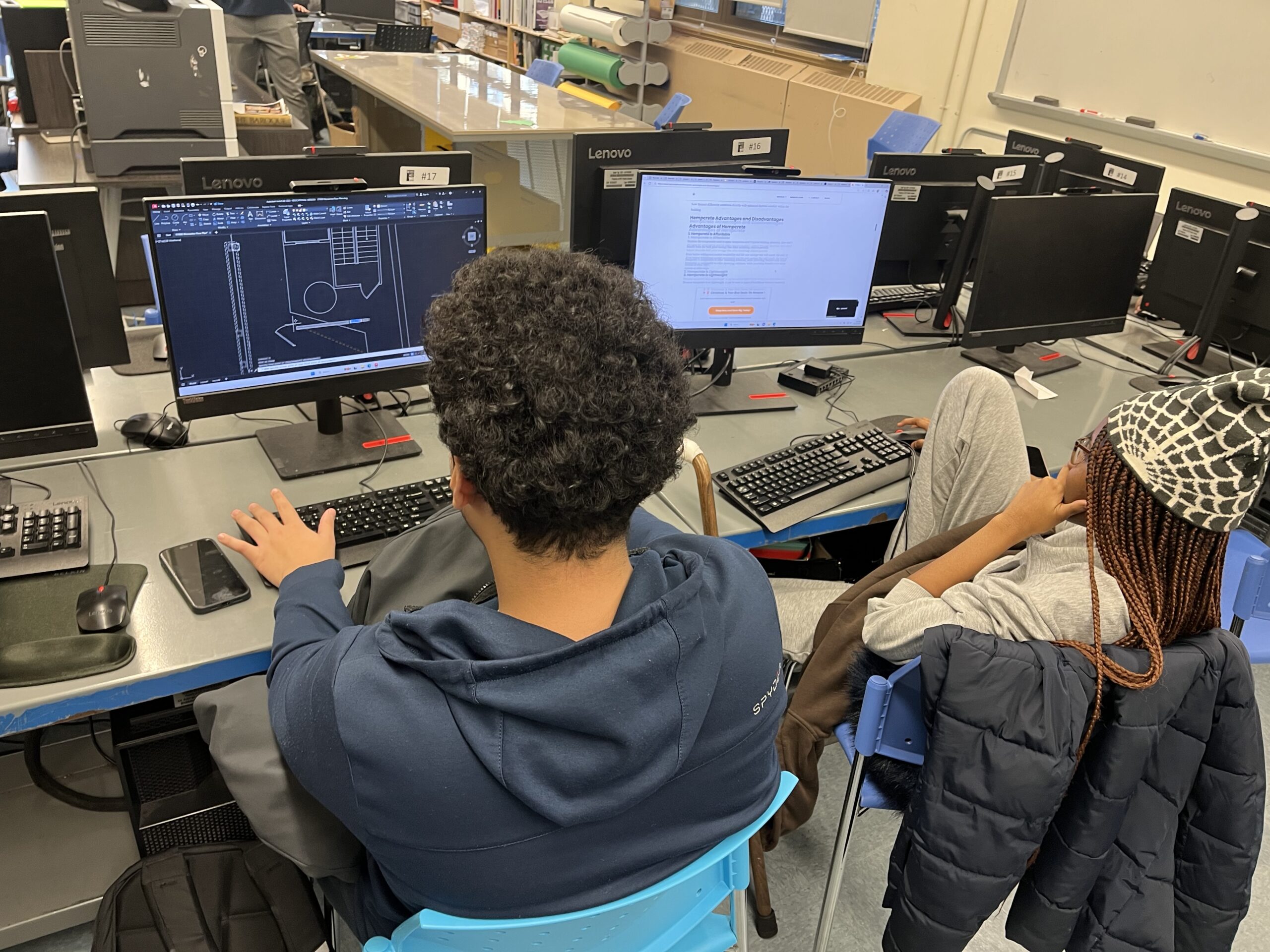
Students in CTA are split into groups, and during afterschool hours work on a presentation based on the requirements needed. At the moment, students are able to use their creativity and work on the floor plan and bubble diagram where it shows where they would be placing certain areas such as the bathrooms, stairs, elevators, etc. The bathroom must be ADA compliant, having a turning space of a minimum 60-inch diameter and a clear floorspace of 30 inches by 48 inches while also having a passageway to be 41 to 48 inches wide. Students also have to add different rooms according to the list of requirements they received. They also have to create a demolition plan. A demolition plan outlines the walls that are proposed to be removed to make new space. They are allowed to use softwares such as AutoCAD and use the floor plan file to change certain parts to propose to their “clients”. Students also have to think about stair placement as they also have a few requirements needed by the NYC Stair Building Code. They cannot be less than 36 inches in width above the handrail, the headroom in stairways can’t be less than 6 feet 8 inches, and a flight of stairs cannot have a vertical rise of more than 152 inches between floor levels and landings, along with many more stuff needed for stairs. Everything they propose must be to scale, so with the use of software, it allows students to do that. Students are also allowed to use physical sketches and drawings to display what they want to add to the planning.
Students also have to think of the material that would be used in their planning. Ever wonder why you hardly ever see wood as an exterior material for buildings? It’s usually because it can be seen as a fire-hazard. Though wood can be used as an exterior material as long as there is proper treatment for being fire-resistance, it is still vulnerable to termites, moisture, and rot. Architects have to decide the type of material depending on certain situations that might occur. The students need to also decide if the material and design fits to what the building is designed for and what type of emotion it’s supposed to give to those walking past it and catch people’s eyes. This specific dance studio, STREB, is all about extreme action and movements and is located inside what was used as a warehouse. The students can also plan on how to make the building stand out from the other buildings, rather than it looking like a normal warehouse from the outside.
Students have to think about all of these aspects when thinking of a proposal plan, which is why CTA is one of the programs perfect for those wanting the opportunity and experience of working in the architectural field. Being able to work with real architects that give them feedback allows them to grow and develop their architectural skills along with the way they have to manage their time and how teamwork is also used with the fact that they’re in a group together. It’s not all about working by yourself since everyone specializes in different parts such as if you work better on softwares, rather than traditional drawings. Collaboration is key to working on teamwork skills. CTA Architects represent just one out of the many great internships that WHSAD has to offer to our students.
And here’s a bit more about CTA from Senior, Darliza Olivo:
Throughout my three years at this school, I had never really participated in any major projects or clubs; however, when Codio offered the opportunity to redesign a dance studio, I was initially reluctant to join because I worried about it overtaking most of my free time and interfering with my school work. Nevertheless, I agreed. After attending a few meetings I learned that the project involved an industry partner called CTA Architects that would help us during the process of designing a proposal that would convince them why our design best fits the dance studio. The dance studio, STREB, is a place where performers perform complex dances. They also host programs for children and adults.
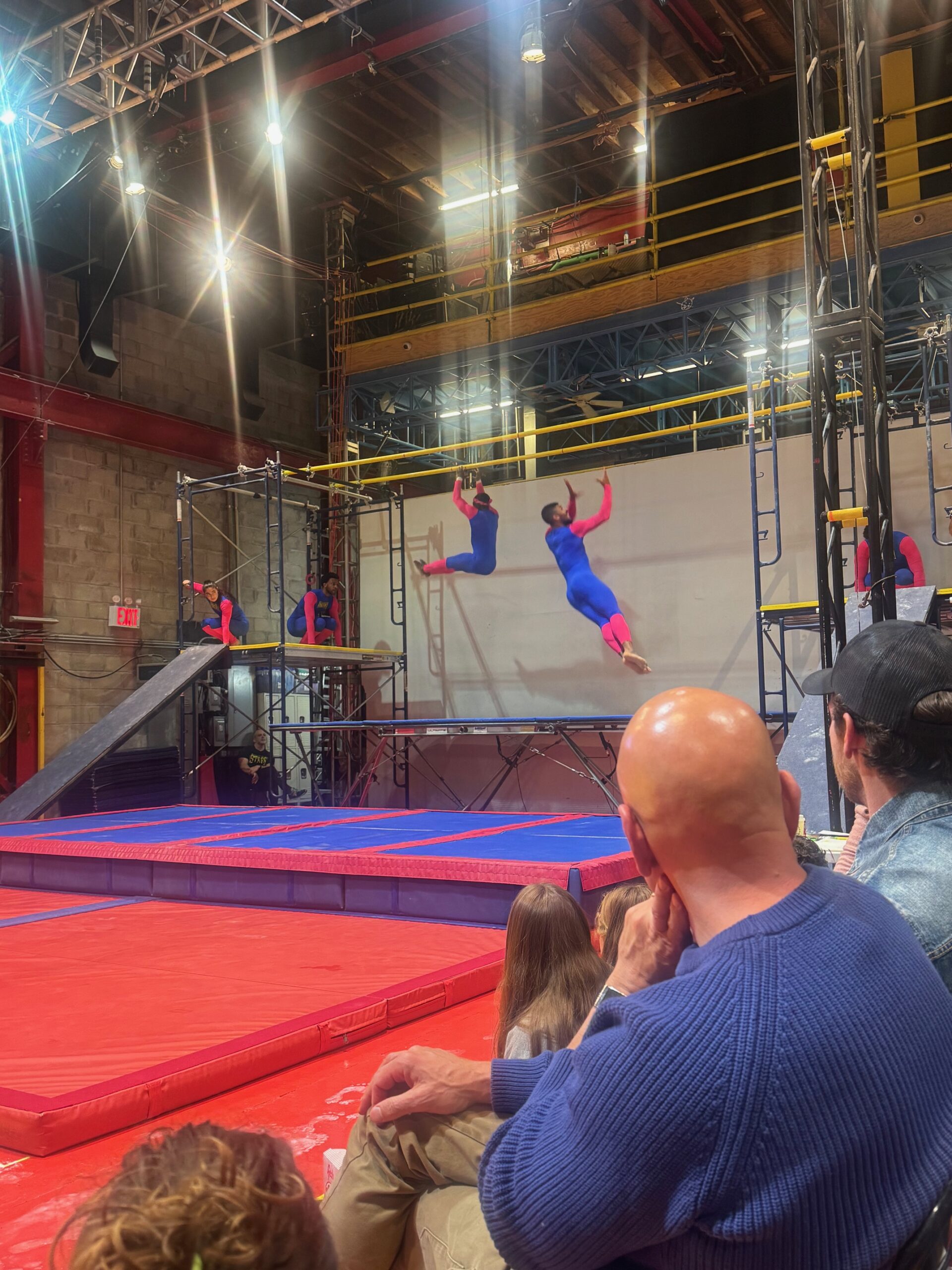
A few weeks ago, WHSAD students attended this dance studio and watched some of what the dancers do here. The performance was something I have never seen before. It was a lot of reliance and teamwork. Each of the dancers were incredibly talented, being there I also saw the founder and Director of STREB “ Elizabeth Streb”. I won’t lie and say that being in CTA is not stressful but it is because it acquires a lot of attention and teamwork, but I don’t regret joining it because I want to have more experience and independence over what I design. Working with others has made me much more confident when it comes to speaking up and has helped with my presentation skills. I hope by the end of this program that I come out with new skills and without Codio’s encouragement I would have never joined it.