
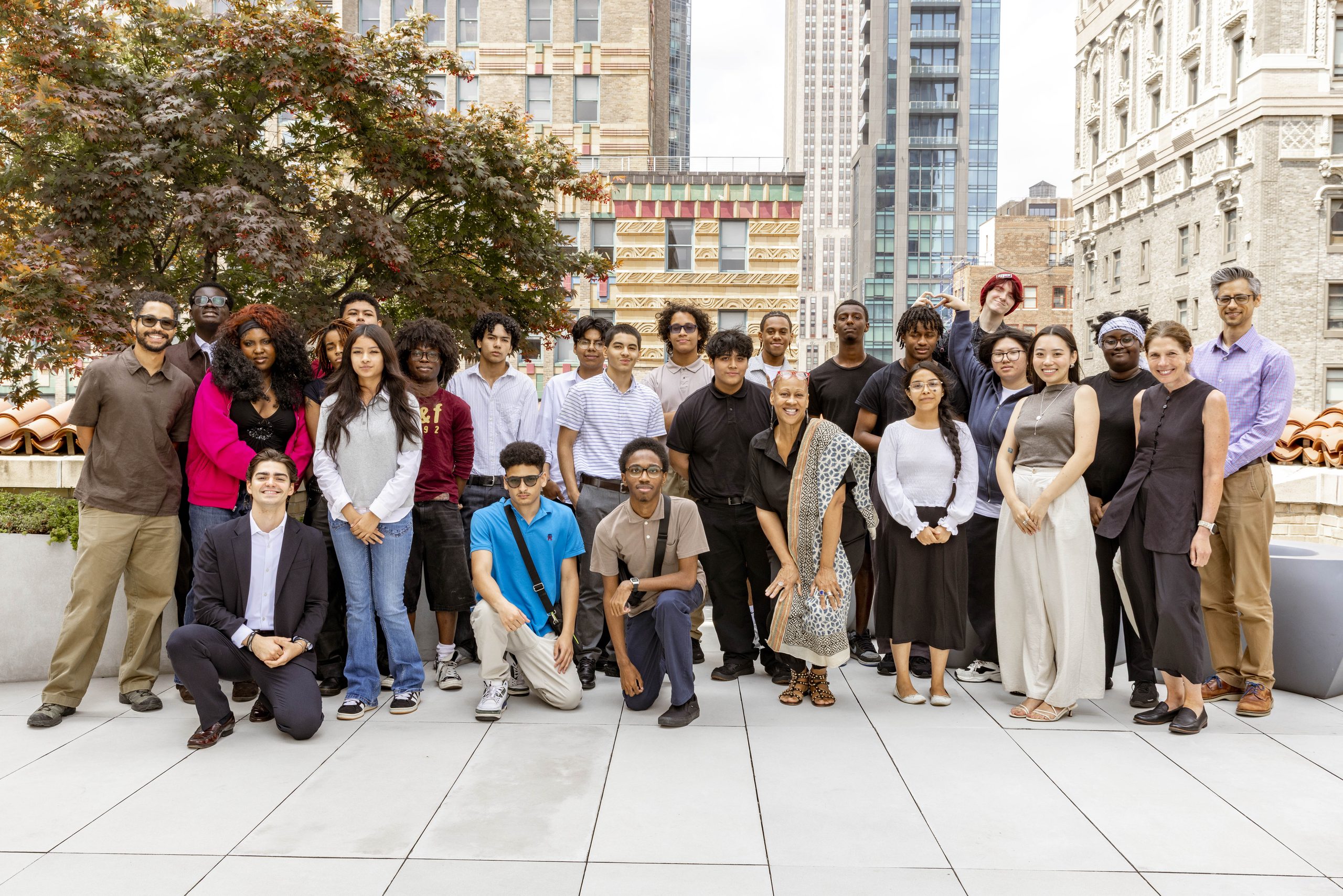
Thank you to the RAMSA architects who supported our students this summer and in summers past.
Thank you to student reporter, Sara Diaz, for working with Mr. Rodriguez and Mr. Koestner to ensure this story came to be.
WHSAD’s RAMSA Design Foundation program connects students with architects from Robert A.M. Stern Architects (RAMSA) for a six-week summer experience through the Summer Youth Employment Program (SYEP). Working with professional mentors and WHSAD educators, students explore how art and observation can inspire architectural design, transforming initial ideas into sketches, collages, physical models, and digital spaces.
Throughout the program, students develop skills in Rhino and Adobe Photoshop while learning to think critically, experiment with unfamiliar ideas, and communicate their design decisions. Regular critiques encourage students to reflect, revise, and recognize that meaningful design develops through exploration; not simply getting something right on the first attempt. Each stage challenges them to take ownership of their work while learning from professionals and one another.
By connecting hands-on learning with professional mentorship, the program strengthens students’ design, problem-solving, and presentation skills while introducing them to possibilities in architecture and related fields. WHSAD thanks RAMSA’s mentors for sharing their time, expertise, and encouragement with our young emerging designers.
-Mr. Abraham Rodriguez, Sophomore Architecture Teacher
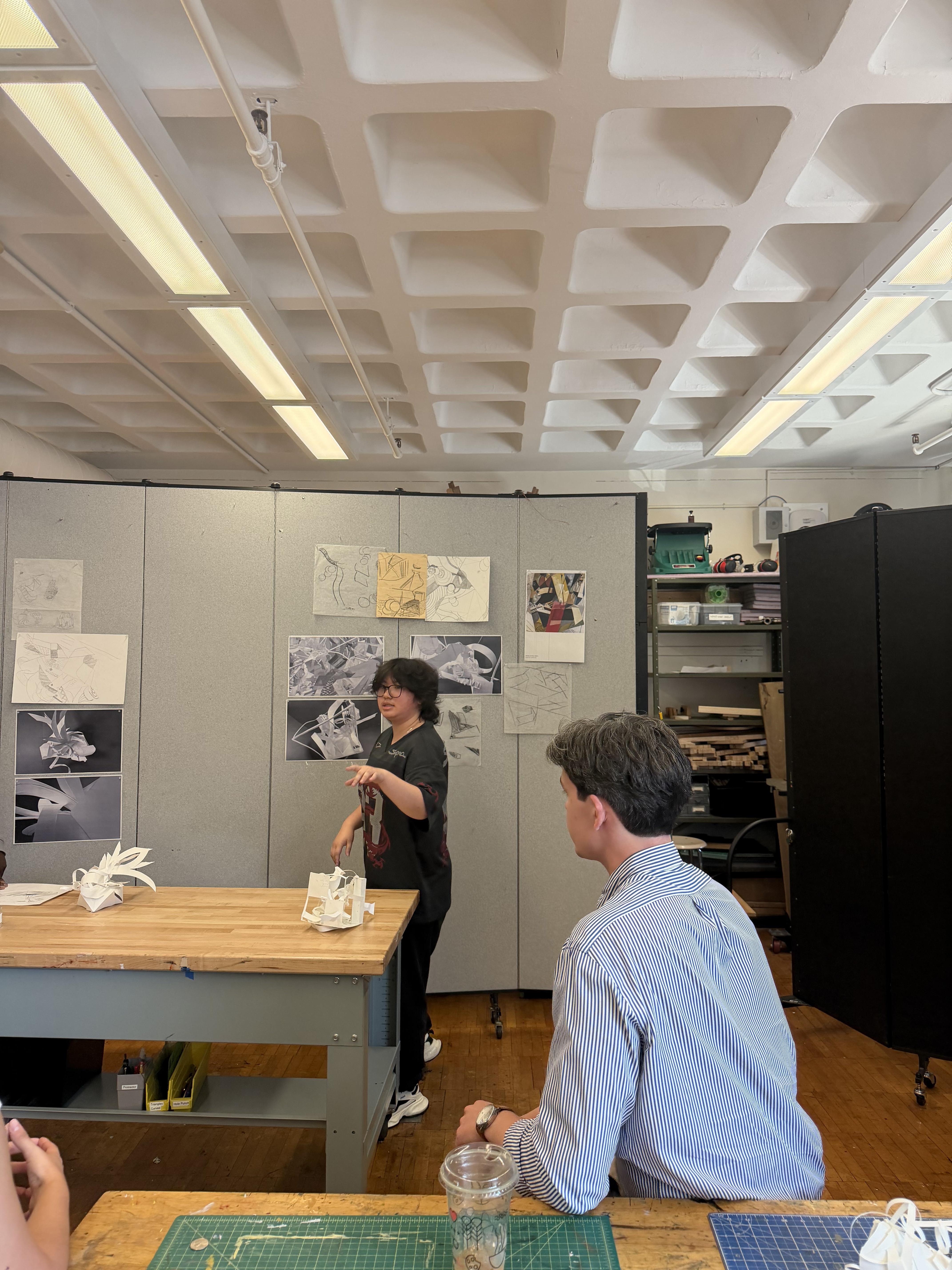
Chris Chen
In what ways has this program benefited you?
This program has benefited me in the way that I think and how I will be working on things in the future. During the beginning of the program, I was taught that I will be criticized on every step I did. I wasn’t used to getting criticism, but after getting more advice as the program went on, I started getting more used to it and taking the feedback I got from my mentors.
What was your favorite part about this program and why?
My favorite part of this project is looking at my first draft in the beginning to the final result at the end. Just seeing my project in Twinmotion makes me proud of what I’ve done and how nice it would look if it was in real life. Using Twinmotion as a way to show different types of perspectives it could be seen in and the video I made of it looking like a drone as an experiment looked really cool.
How did this program help you develop new skills, and in what ways has it prepared you for future jobs & opportunities?
Here when I was learning more about how to use Rhino as a software made me more confident in my skills. I was only used to working with AutoCAD when I first started out, but when we got to learning about how to use Adobe Photoshop, rhino, and twin motion, it just made me love doing this kind of work even more. Seeing how my model came from a piece of paper to an actual 3d model in screen made me so proud and that I could tell myself: “I did that.”
Having to present during specific days helped me on my presentation skills as well and the way I speak about my work. When I was first making the project, my mind was filled with words like “what am I doing?” and “what am I looking at?” But as my mentors helped point out specific parts of my model and helped me analyze the feeling it should give the viewers, it helped ease my mind.
What was it like being able to be part of a program that exposed students to real-world business?
It was pretty stressful and added a lot of pressure onto me. I get really nervous the day before a big presentation since I usually don’t know what to say about the work. But, I’m glad I got this kind of experience in case I have to work later in my life. Also, working overtime isn’t as bad as I thought. I never really did much at home so just spending my time doing what I love is much more enjoyable.
What were the biggest challenges you faced?
One challenge I face was during the beginning of the program when we had to “let out hands do the thinking” and not think of something as a 3d form from a 2d art. I was really confused, and they kept saying that the human eye makes something we don’t recognize into something we do recognize. I still don’t get it honestly, but just letting my mind go and let my hands do the drawing helped me bring the elements into the art I was assigned to into my own piece of work.
Another challenge I had to face was trying to keep focus on my work. My mind tends to drift off a lot and most of the time likes multitasking. So on one hand I would be focusing on one part of my work, and the other hand I would be working on something else and I tend to work on it easier rather than focusing on one thing at once. I had to stop doing that or else my work wouldn’t get finished at all.
What is your favorite memory from this experience?
My favorite memory from this experience was doing the Twinmotion part of the project. I had fun adding in a bunch of random things and doing the finishing touches. Experimenting was what I liked to do and see if it looked nice or not. I liked seeing the type of materials that could be used for the model and how it interacted with its environment.
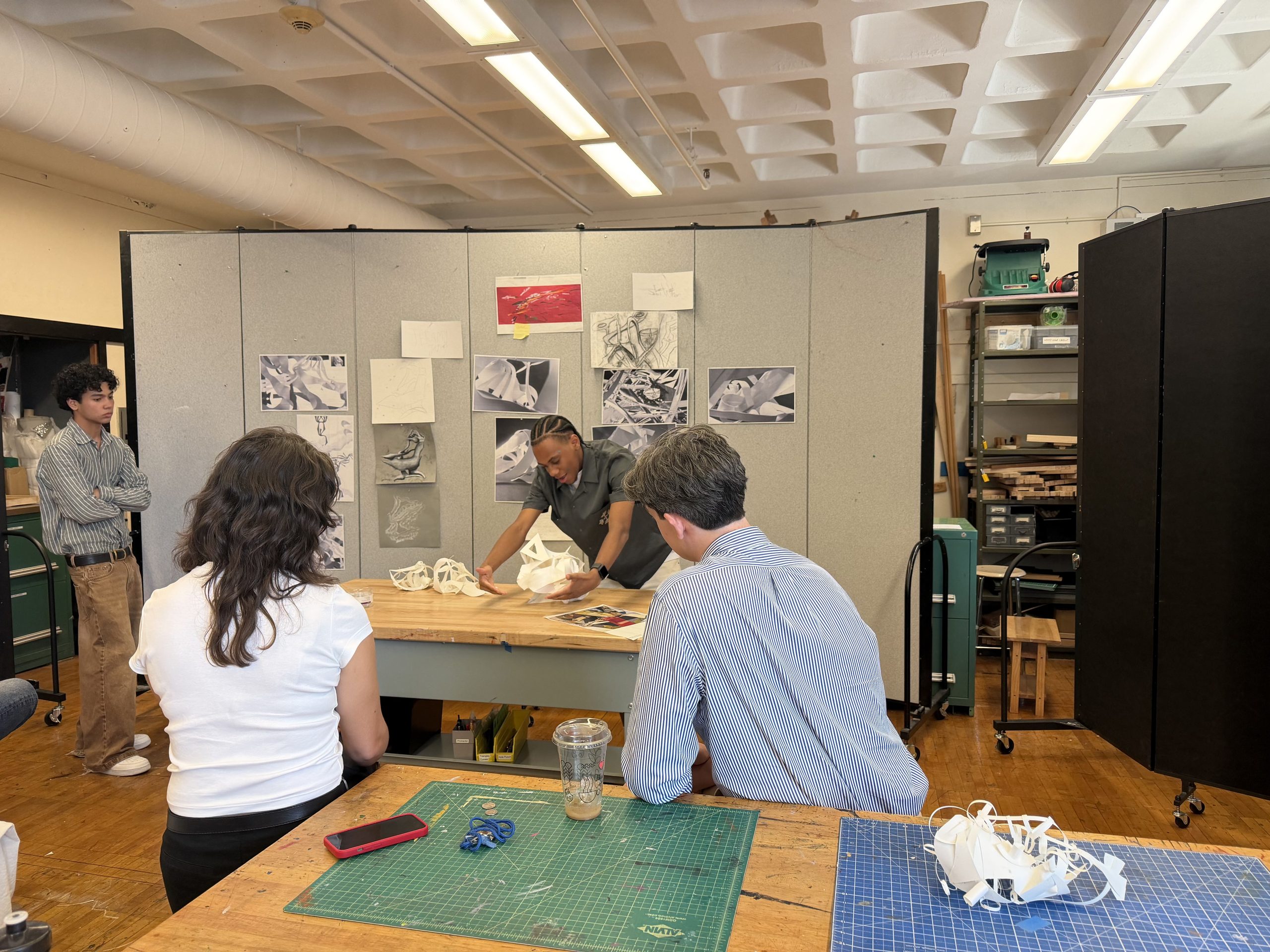
Jelani Wilson
In what ways has this program benefited you?
Participating in RAMSA this summer gave me a platform to bridge abstract concepts with functional architecture. I got a real feel for the pace of a professional workflow, moving from sketching to model making, using Photoshop to build a collage, translating those ideas back into physical models, and reinterpreting everything over and over again in Rhino and Twinmotion until I created a true space rather than just a model. My time at RAMSA also helped me learn how to present my ideas clearly, whether to a client, a mentor, or a peer. Ideas are fluid and constantly changing, which means they can easily get lost in translation when you try to communicate them. This program taught me how to keep my design ideas fluid while staying grounded enough to express them effectively and allow for real growth.
What was your favorite part about this program and why?
My favorite part about this program was how experimental the project remained throughout the entire course. I have always wanted to work on a design where I could just flow and let my project evolve alongside me. At RAMSA, the mentors constantly encouraged us not to be afraid of ripping things apart, starting over, or taking small pieces of an idea and turning them into something entirely new. Everyone was open-minded and truly willing to listen. Even during our reading study, when we explored questions like what it means to be truly original and whether originality even exists, those conversations deeply stuck with me. I questioned it at first, then realized I wouldn’t fully understand it, at least not right now. That question has stuck with me ever since and made the experience unforgettable.
How did this program help you develop new skills, and in what ways has it prepared you for future jobs & opportunities?
This program gave me valuable refreshers on software I already knew while introducing me to completely new applications. Honestly, it was far more than just a refresher. I learned commands and features in Rhino that I had never even heard of before, and looking back, I still can’t believe I was able to model something so complex with it. I was also introduced to Photoshop, which felt so alien to me at first before I used it to create our collages and polish our final renderings. Beyond just technical skills, this experience has prepared me for future opportunities by making me a better overall designer. I have grown much better at receiving feedback, revising my ideas, and presenting them clearly to an audience.
What was it like being able to be part of a program that exposed students to real-world business?
Being part of a program that exposed us to real world business made the whole design process feel much more serious, but it completely expanded what I thought I was capable of. It was a wild experience to constantly absorb new information like a sponge, and honestly, it felt good to receive direct criticism from professionals. That feedback forced me to lock in my focus and pay close attention to every detail, fine tuning my project again and again until it reached a high industry standard, I’d hope. Experiencing that level of accountability and responsibility in my own work showed me how professional studios actually operate, giving me the confidence that I can actually handle high pressure environments and step into future opportunities with a clear understanding of what it takes to succeed.
What were the biggest challenges you faced?
The biggest challenge I faced came during the final phase of the design process, that final sprint. During that final bullrush toward the finish line, I experienced a sudden shift where we had to move away from experimenting and “playing around” to rapidly expanding the scope of the entire project. Transforming what was just an abstract model a few weeks earlier into a full, inhabitable environment required a completely different mindset. I had to learn how to balance that creative freedom with the realistic rules of human scale, which scaling up for was definitely a long process, and having to try to now be logical from this abstract flow I was forced to adapt quickly under tight time constraints, pushing me to refine every single piece of the space until it all fit together in the end.
What is your favorite memory from this experience?
My favorite memory from this experience was the moment right after I finished presenting, when we were all sitting on the balcony outside. Sitting there, it hit me, and I had to tell myself that I actually did it. I had created something that, just a few weeks earlier, I thought made no sense and that I would never be capable of making. I remember the overwhelming sense of relief, followed by a real feeling of pride as I saw in my head again my work pinned up on the wall and then later on projected across the two screens while I stood there presenting. In those moments on the balcony, I was just genuinely proud of myself. I got to have this opportunity, and I did it.
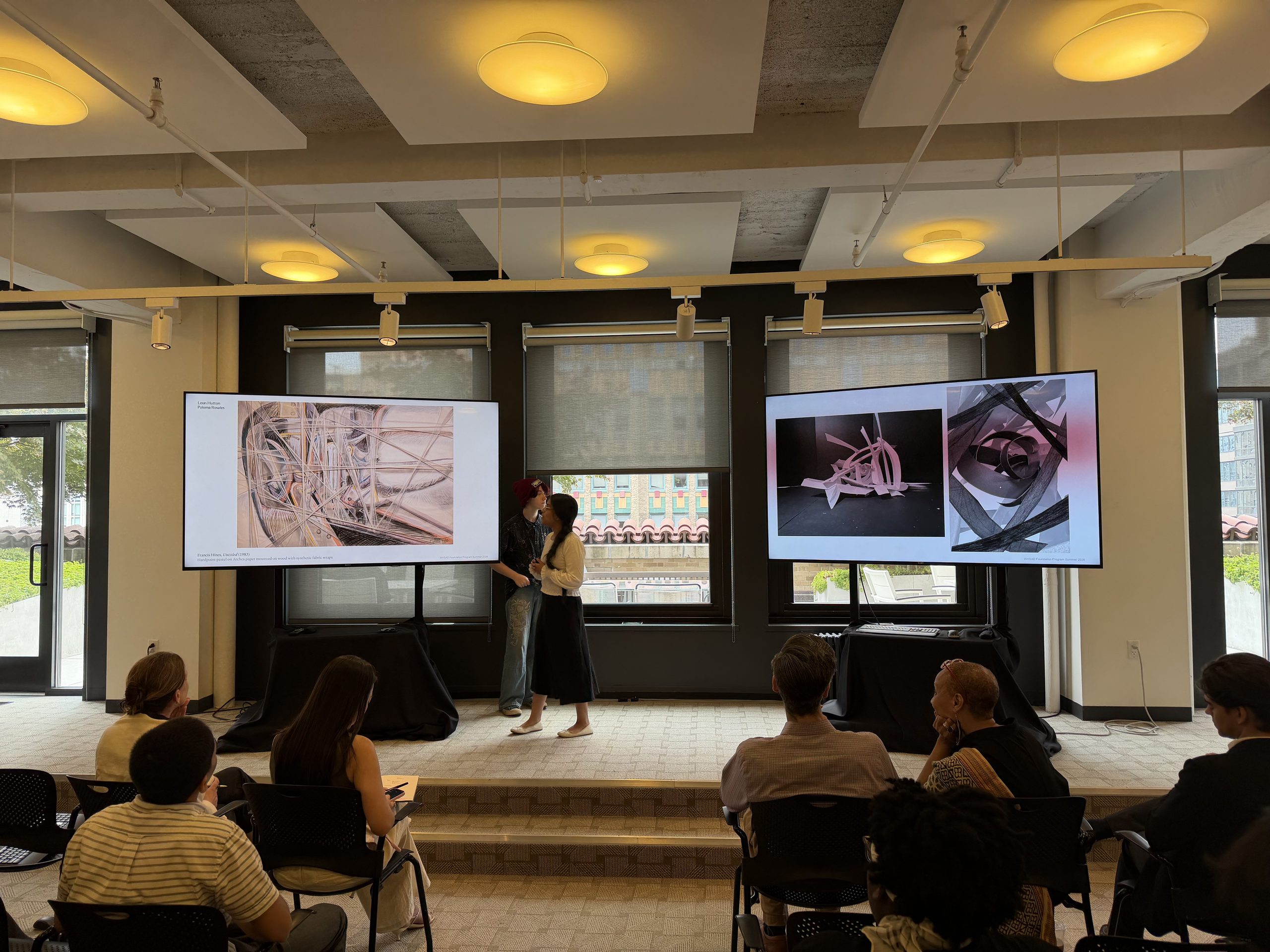
Paloma Rosales
In what ways has this program benefited you?
This program has immensely benefited me in many different ways. Firstly, I was able to create new content for my portfolio for my college applications. This was a great opportunity to improve and add onto what I already had with the help of professionals. With this new content featured in my portfolio, colleges are able to see how actively I work and engage to get my work done and are able to see my abilities and how fast I can improve. Secondly, I was able to get a taste of how working in a firm would feel like. So it was a great opportunity to get a feel of the future and clear any doubts of pursuing architecture as my career. It gave us the understanding of how fast we must adapt and how fast we must get the work done. Lastly, I was able to create new friendships and connections with professional architects and my colleagues. Being able to communicate and share ideas is a very important skill to have as a person and as an architect. We also learned to receive and put to action the feedback we got from others. It truly helped me overcome some obstacles such as social anxiety through practice and speaking my thoughts on my own project in front of the class and in front of the mentors. I was able to feel more comfortable and more confident in my own abilities to express myself.
What was your favorite part about this program and why?
My favorite part about this program was having special guests from RAMSA on the meetings to teach us new architectural concepts and techniques that I had never heard of or learned before. This was my favorite part because we learned from different people and each person taught us in their own way, with their own explanations, and with new information each time. I really enjoyed listening and understanding what they were teaching. I was able to see how connected and respected the people in RAMSA were and how much they care and know about what they do and how they do their job. It also showed me that there are many different areas in the architecture industry such as model making and Photoshop. They all taught us something new but it all connected together to help us reach our end goal which is to create a new and unique structure/building to connect with our community and environment. It made me realize that working in a firm is about working together and sharing what we know to others and listen to what others have to share to us.
How did this program help you develop new skills, and in what ways has it prepared you for future jobs & opportunities?
This program helped me develop many new skills such as learning new architecture tools like Photoshop, Miro board, Rhino, and Twinmotion. Through the warm ups and activities we did, I was able to improve my abilities to use these real life architecture tools and be able to prepare and execute my skills in the future as an architect. Other skills that I developed is speaking in public such as presentations and meeting. I learned to speak with confidence and fully express my ideas with clarity. And lastly, another skill I learned is to adapt to time constraints and get my work done. Since we had limited time to finish our tasks, we were forced to make sure to get our work done on time, so we would not feel overwhelmed and behind schedule. So this really helped me be more productive and active on my job and have the ability to adapt quickly and effectively.
What was it like being able to be part of a program that exposed students to real-world business?
At first it was very overwhelming and intense for me because it was something completely different from what I was used to. We had to think out of the box most days and had many meetings with our mentors for feedback. Also we had to work fast and only had a few hours to finish our work. But as I got more done and started to get used to the quick pace we had, I was able to adjust to my schedule and get things done on time and the way I wanted it to be. Through this experience and process I learned that it’s okay to feel overwhelmed in the beginning but as time passes we learn to overcome those fears and limitations though pacing and paying attention. It also helped me gain more awareness of the real world and how much effort it takes to get work accomplished. Also made me appreciate my own work because I truly put the effort into being the best I can be for myself and the objective.
What were the biggest challenges you faced?
The biggest challenges I faced were adapting to the fast pace of the work deadlines and new technological tools. Since we only did 6 weeks of this program, each week was a different activity/task. So we weren’t able to intensely dive into each tool or strategy, so I was forced to do a lot of trial and error and ask questions to my colleagues and teacher. Also, sometimes I didn’t entirely love what my project was looking like, but I learned that we might not always love what we created but we have the chance to reflect on what we like and we don’t and take the corresponding actions to improve and make it more what we envision. Also I learned to work quickly without distractions and with a clear plan of what to do. An example of a new tool I learned to use is Photoshop. I was able to experiment with the tools and techniques that could help me accomplish the goal of the day, and I was able to understand and help others with the tool and create a lovely final product as a result of not giving up and learning.
What is your favorite memory from this experience?
My favorite memory from this experience was the last presentation we did at RAMSA. We were able get a glimpse of the work they were doing in real time and got a tour of their office. It gave us an insight of how much work there is in the architecture department and how hard working architects really are. Also, I was able to see all the final projects of all my colleagues that had worked with me during the summer. Being able to see all of our finish products together really inspired me to keep pushing forward and keep learning because we all tried our best and put the effort into those projects to get our ideas out there. The feedback we received and the support from the mentors who got to see our work really helped me understand the areas I needed to focus on and got a lot of reassurance of my abilities and skills.
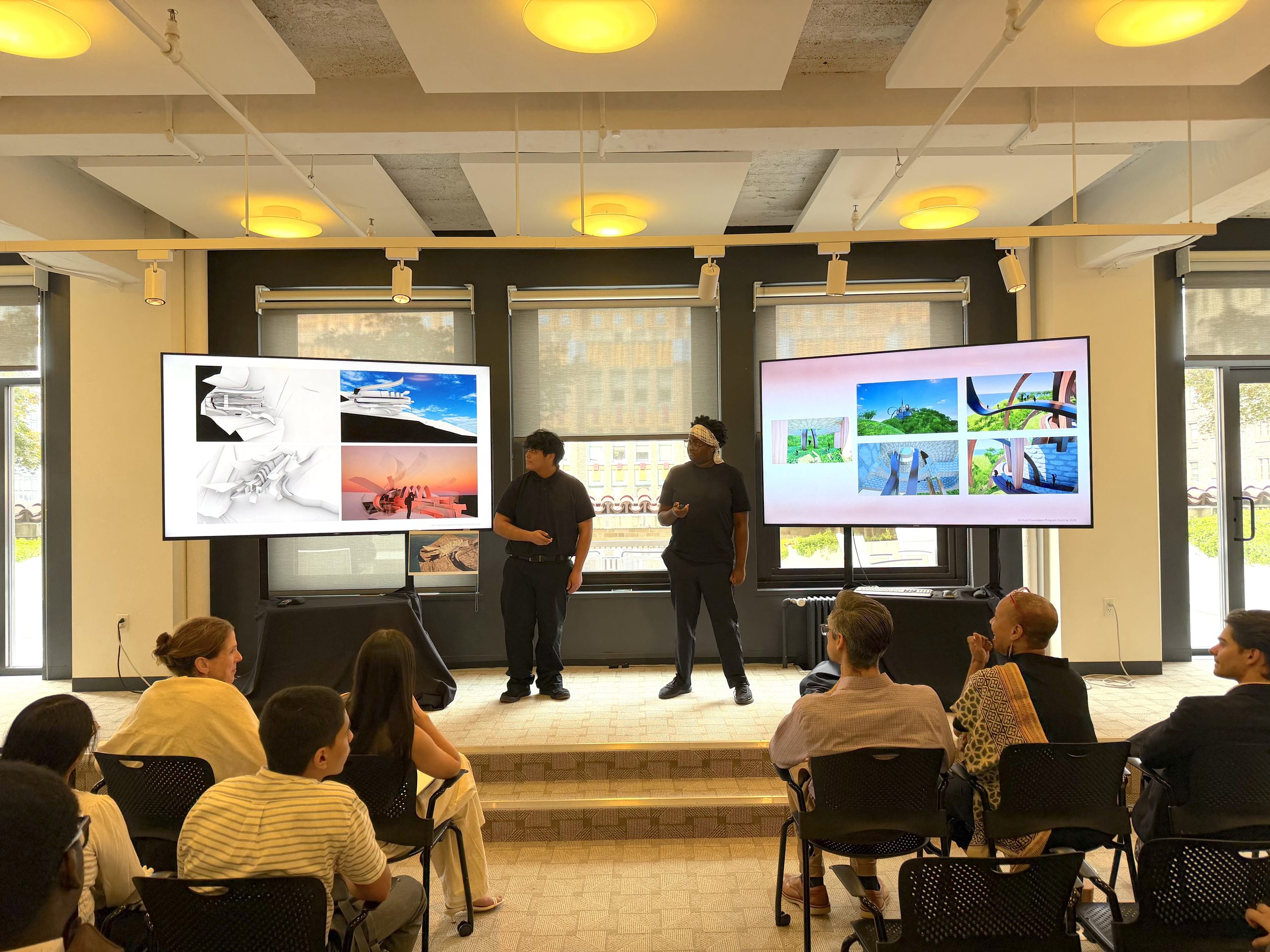
Gerard Lozano
In what ways has this program benefited you?
This program taught me many things that I can use in my personal life as well as later on in school. I’ll start with the reason I wanted to partake in this program- I wanted to do this to expand on my knowledge of architecture and because I want to become an architect later on in life, gain some experience and to mentally prepare me for architecture later on. Working with RAMSA helped me with both of these because I now understand how to use programs like Rhino, Twinmotion and even Photoshop. Along with this, my confidence improved significantly. With the comfortable environment they made, I was able to build my confidence and present in front of a large group with people I’ve never met before. SYEP also connected me to new people, and I’ve gained friends and established good relationships with new people all thanks to this program.
What was your favorite part about this program and why?
My favorite part about this program was the final presentations. I know it was nerve-wracking and I was panicking for most of it, but it’s what we were preparing for since the start of SYEP. I can’t forget how proud of myself I was after I finally presented my hard work and I heard all the positive feedback from the architects. I don’t think I got a single negative piece of feedback, and I was actually told to come back next year, and they all gave me a personalized speech.
How did this program help you develop new skills, and in what ways has it prepared you for future jobs & opportunities?
Like I stated before, this program helped me establish a sense of confidence in myself, and it allowed me to gain a sense of what I’ll be doing if I do continue to follow the path of architecture. I know the basics now and this program has mentally prepared me for rigorous assignments. This was not easy and the last day was one of the hardest but it paid off and I’m glad I took it.
What was it like being able to be part of a program that exposed students to real-world business?
Being able to be part of a program that exposed me to real-world business was amazing. I felt so accomplished and professional and felt proud of myself for finally finishing. I now understand that it won’t be easy, and I will want to give up, but I have to keep on going and push though just like in the real world you have to do things on your own and keep going.
What were the biggest challenges you faced?
The biggest challenge I faced was preserving my motivation. This program was new to me as well as a lot of the other kids, and we struggled a lot. On the day before final presentations, the tension was at an all time high. Mr Rodriguez was making sure everything was perfect, and we even got yelled at a bit. Some kids were working until a little before 6 PM and we all pushed ourselves to make our projects the best they could be. Throughout this project, all the new things and short deadlines took a toll on me, and I wanted to give up many times. We were even told that we might be the only group of students that could actually do this without giving up which motivated us a bit and helped me push myself to complete my project.
What is your favorite memory from this experience?
My favorite memory was the period after the presentations where the tension and fear was finally gone and we got to enjoy ourselves. We took pictures and then received food and after I talked with the architects which was followed with their speeches and invitations to work with them again next year. The feeling of contentment I felt is unforgettable, and I really grew as a person working with RAMSA. I formed a genuine bond with these architects and my friends too, and I can’t wait to complete this program once again with a new updated model accompanied with my newfound knowledge and confidence to form an even better project.
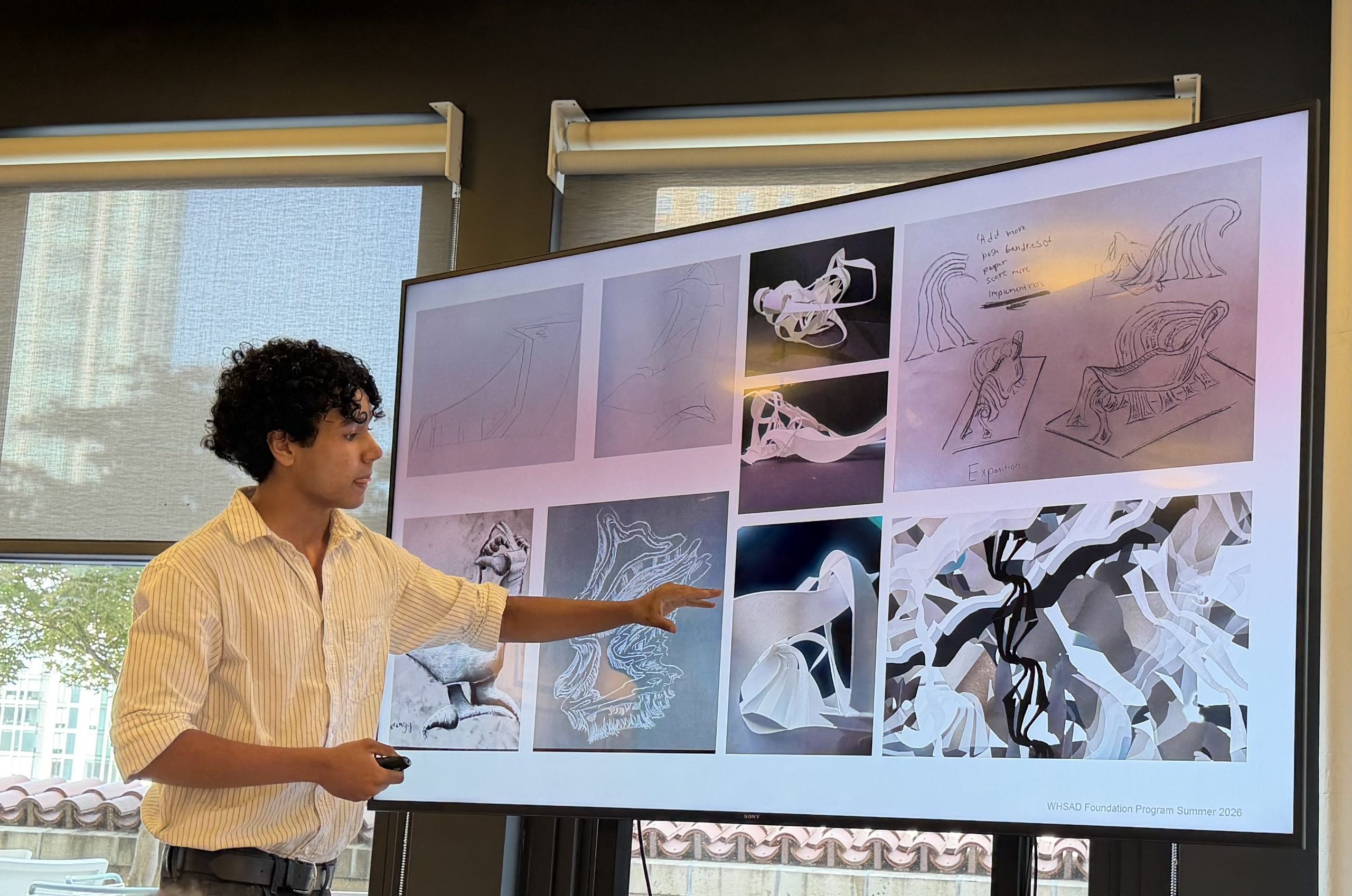
Jeramy Jaquez
In what ways has this program benefited you?
This program has benefited me primarily in that it taught me how to speak and present in a professional manner. Other things that benefited me was the feedback that I received during RAMSA. This is because you get feedback from actual architects, and they help you by giving suggestions that will help you in the long run. For the most part, being able to simulate the process of what an architect thinks of when doing something gives you that knowledge for the future which will benefit me and many others that want to pursue a career in architecture.
What was your favorite part about this program and why?
I think being able to interact with the architects were a highlight to me. You get to see people that actually work on different projects in real life giving you advice or lessons. Another one is being able to do research and being like your own manager when it comes to your design although you get suggestions for changes, it is still yours .I personally liked it because I went through this process of messing around with Rhino. To creating something that I didn’t think I could’ve done. I think that those specific moments are memorable to me because it begin to highlight growth.
How did this program help you develop new skills, and in what ways has it prepared you for future jobs & opportunities?
RAMSA helped me develop many skills most importantly things like communication, which is important because without it I wouldn’t be able to have my say into things or even giving suggestions with others. It most importantly helped me to be able to present better. I’ve noticed this when I began to explain my process to the architects I would regularly think about what I would say when it is my turn. This in turn helped me a lot because by doing that your able to articulate your words in a way that is clear to the audience.
What was it like being able to be part of a program that exposed students to real-world business?
It was great. It gives people that want to do architecture a taste of what the architects do. Apart from that it also gives you an understanding of your creativity or your surroundings and how we think. This program will also be able to help with different skills that is useful in the future such as things like collaboration, speaking, or teamwork skills.
What were the biggest challenges you faced?
I felt like the biggest challenge was how I thought about my process.We used forms instead of actual buildings at first but then when I was able to work with the things that I have, I was able to have many ideas that did not translate to my project.
What is your favorite memory from this experience?
My favorite memory was in the last day, we went to the RAMSA office. We had a tour around the office; then we presented. I personally wanted to improve myself from how I did last year, and I had a fun time explaining my project, putting very detailed things in my presentation. Also, I enjoyed how I was able to hear other people’s work processes and how and why they did what they did. Overall the experience was phenomenal and something people have to try .
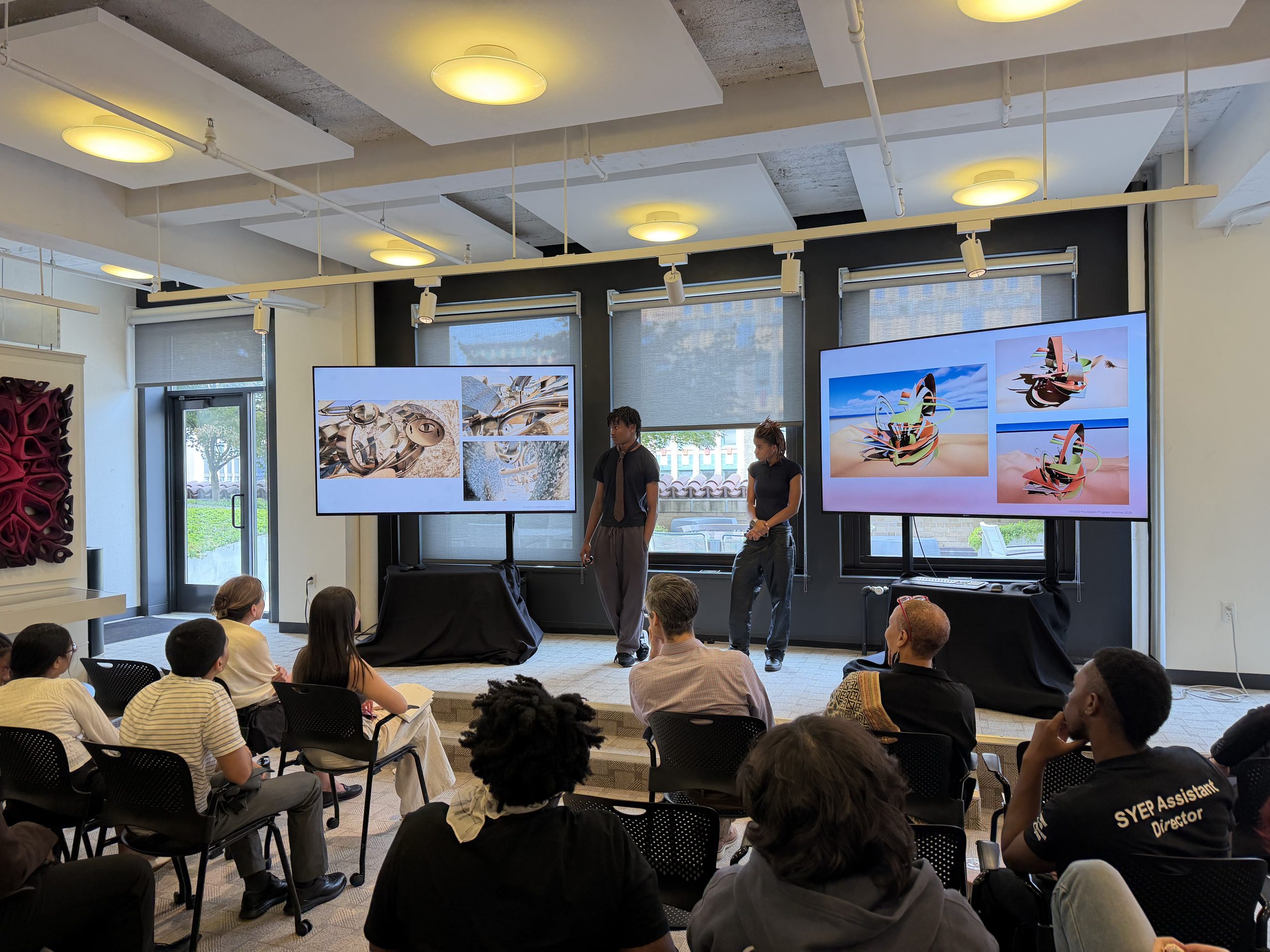
Judah Caldwell
In what ways has this program benefited you?
This program has helped improved my understanding of architectual literature. This experience allowed me to greater grasp the concept of abstraction in the art perspective, turning abstracting into 3d objects, making collages, etc., which have helped me expand my knowledge on architecture as a whole.
What was your favorite part about this program and why?
My favorite part about this program was going to the firm. It was my first time in a long time going to a firm in-person, and it was very honoring to see that some of the work we do is actually being done in an actual firm. This experience helped me shape a understanding of what it means to be an architect, being surrounded by them in their “own world” is very inspiring and looks like something I can do when the time comes. I specifically recall seeing a lady we walked passed on a simulator app doing similair things that we did at this program at the firm. This was very memorable because I could picture myself in that chair doing and understanding what she was doing just from what I learned through this program. Also, it helped me see how impactful the work we were doing in this program is, and the critiques we got could shape us to be the next set of people “In that seat”.
How did this program help you develop new skills, and in what ways has it prepared you for future jobs & opportunities?
This program helped me develop new skills and has shaped me for future jobs by demonstrating what it takes to be an architect. It allowed me to have a better understanding of what it would take to be a archtect and actually gave me experience on some of the apps that I might end up using if I decide to work at a firm as a future job or internship. With this on my portfolio and being in my junior year I have no doubt that what I’ve learned throughout this program will help me in college as I continue to explore architecture.
What was it like being able to be part of a program that exposed students to real-world business?
It was very inspirational to have the opportunity to be a part of this program. It exposed me to a real world job site and allowed me to see what adults do for a living in our field. This exposure has greatly shaped my aspiration to be an architect in the future and to continue to pursue my dreams of owning my own firm one day. Aside from the in-person exposure we had, the online “lectures” never felt like lectures because everything they said was often never opinion and was majority facts. The mentors didn’t say things that you would just get, but they explained it and through this, I was able to build a solid basis for architecture as a whole.
What were the biggest challenges you faced?
One of the greatest challenges I faced was the inability to form understanding into words. Oftentimes I found myself absorbing a lot of information but not being able to use it immediately, and this caused issues as when absorbing information and using it right away is already difficult. I then had to build of my understand and use it for a different topic. To summarize, I struggled with building of off unsteady ground where my basic understanding of something wasn’t something to build of off.
What is your favorite memory from this experience?
My personal favorite memory from this experience is the ability to communicate with adults and kids alike about a topic we all have an interest in, seeing what steps kids my age are taking to pursue our common interest, and where the adults in a field similar to the one I hope to be in messed up. I personally think learning the common mistakes people make when going down this route is very helpful; not only does it allow you to know what to do to avoid these mistakes, but it also lets you know what’s coming up ahead and gives you a different perspective on a similar goal as your own.
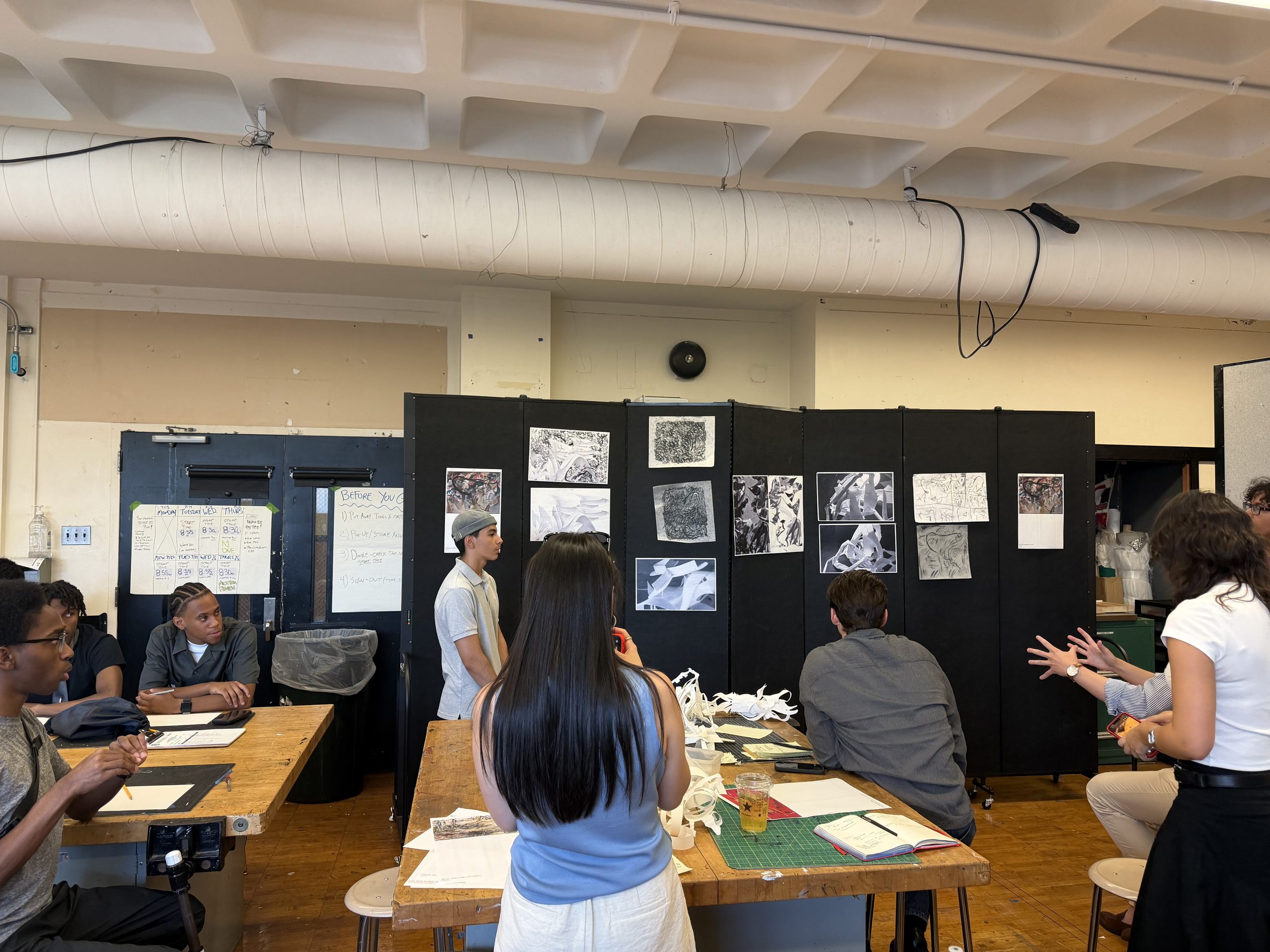
Ahmet Almazov
In what ways has this program benefited you?
This program helped me a lot. It was my first time being in a real work place and it showed me what it’s like to have a job. I learned how to talk to adults in a professional way and how to act at work. It also made me think more about my future and what I want to do.
What was your favorite part about this program and why?
My favorite part was building the models. I liked working with my hands. It was fun to take an idea and turn it into a real thing.
How did this program help you develop new skills, and in what ways has it prepared you for future jobs & opportunities?
I learned a lot of new skills. I learned how to draw plans and build models which I never did before. I also learned how to work with a team and meet deadlines.
What was it like being able to be part of a program that exposed students to real-world business?
It was really cool and also a little scary at first. I got to see what a real architecture firm is like and how people work there. Everyone was nice and they treated us like we were part of the team.
What were the biggest challenges you faced?
The hardest part for me was feeling like I didn’t know enough. Learning the software and understanding the design stuff was hard at first.
What is your favorite memory from this experience?
My favorite memory is the last day when we presented our projects. I was really nervous to talk in front of everyone, but I did it. After we finished, the architects told us we did a good job and I felt really proud.
Angel Zelocualtecatl Rodriguez
In what ways has this program benefited you?
This program has benefited me through challenging both my architecture knowledge and my creativity. In the beginning of this program I just had to come up with an idea and try and make it as fast as possible. But this program helped me show processes like analyzing key things to help create ideas. Where I was able to create something unique but also challenge my creativity by removing the idea of something it may look but going outside my head. I also learned more about architecture laws, history of New York, and elements in architecture. This program also helped me improve with both Rhino and Twinmotion but also made me learn Photoshop.
What was your favorite part about this program and why?
My favorite part of this program was my creativity and being allowed to play around with it in certain programs such as Rhino and Photoshop. In Rhino I had fun trying out new tools and seeing how I can incorporate them into my model and expand on to my design. Then in Photoshop I love playing around with the trim and copy due to how fun it is. Then there is the change in shape of images like warping. I also love having special guests with the RAMSA meetings.
How did this program help you develop new skills, and in what ways has it prepared you for future jobs & opportunities?
This help me develop new skills with my presentation and speaking. During the midterm and final we presented in only 3 minutes in the span where we had to talk about our process. This helps create confidence but also learn what to say in a short amount of time that can help support my work. I learned more about patience, time management, and efficiency. I also was able to make commission with architects from RAMSA like Jess and Francisco. Furthermore, I used the work I did in a portfolio, which I sent to the Cooper Union Saturday program and which I will be attending soon due to my acceptance to the program.
What was it like being able to be part of a program that exposed students to real-world business?
It felt like preparation into what I want to be planning to do with my life after college. Where I want to be working in architecture projects, pouring out my own ideas and dreams of uniqueness and passion into works that will help people. It also helps deepen my passion for architecture, showing sides of what the schools’ architecture programs don’t show. It also felt a sense of continuing to work harder into this goal of working in architecture with my own desk handling projects that can matter.
What were the biggest challenges you faced?
Some of the biggest challenges I faced during RAMSA was being stuck in adding on to my project. I was continuously told to add depth and certain moments into my model. How I solved this problem was to continuously subtract certain elements of it and add an object that would associate with my model and inserting it into that space. I also suffered with playing it safe and not creating risks. So in order to stop playing safe I would do stuff that I would consider wrong or something that can cause my model or images to be ruined. Therefore, I kept removing or subtracting elements that I felt were important or adding things that were different from other elements.
What is your favorite memory from this experience?
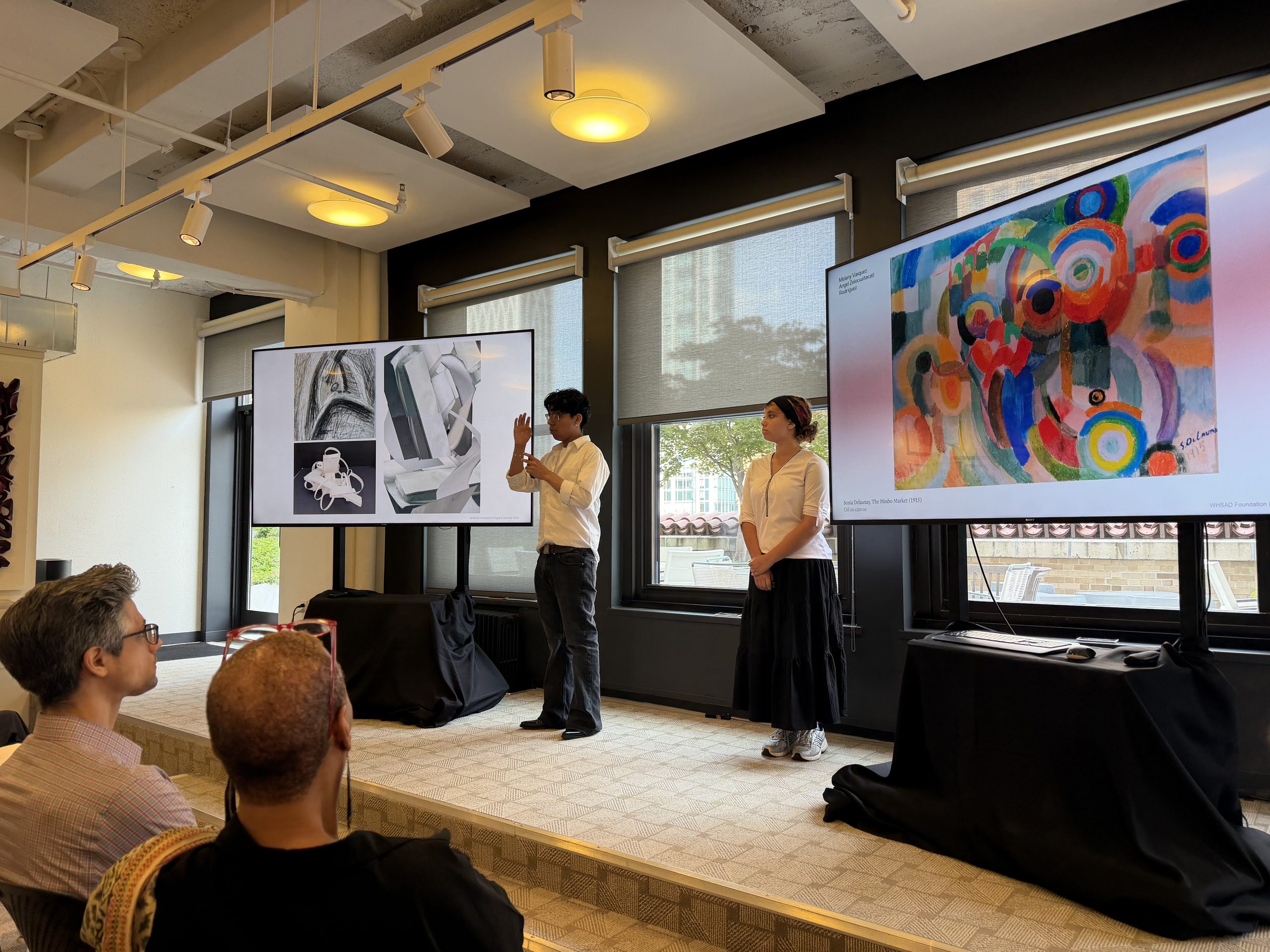
My favorite memory of this experience was the last day, when we presented our works and given a tour of the office. I enjoyed just the look and aesthetic of the building. But also parts of the office like the library filled with architecture books. Just the scenery and of the building too and pieces of art too.
Melany Vasquez
In what ways has this program benefited you?
It help me get a better idea of the process real architects take to get to where they are with their building through software we learned throughout the program. This helps me feel more ready for when I will put these skills in greater use in both continuing years and after high school.
What was your favorite part about this program and why?
I really enjoyed the Rhino program. The Rhino program shown to me was easy to learn with. There are so many possible ways to make certain things you wish to make. I feel it is an important piece to know in high school for the years to come.
How did this program help you develop new skills, and in what ways has it prepared you for future jobs & opportunities?
This program helped me learn certain computer programs that would be used in the architecture industry. This helps me take the first step in learning what it is and how to use the programs for the future. The future of the career path I will take will consist of these skills of knowing how the programs work as it will be main thing used for the continuing years.
What was it like being able to be part of a program that exposed students to real-world business?
Being a part of program with real-world business makes it feel important and valuable. It shows the things I need to focus on to dedicate the time. Containing a good understanding of what real life people, how they do the stuff, and how it’s reflected by the program makes it feel that I am also part of that moment.
What were the biggest challenges you faced?
The biggest challenges were the first steps. The first steps were simply understanding the main task as a whole. To learn what certain things do and keep the project applied to the original purpose is hard at first. Being exposed to new things makes the learning process longer. However, the main fact was the time. Everything had a certain deadline where at most days, I can’t play around with the system, we just have to finish it now. It’s hard to go really in depth in something that you weren’t given too much time for.
What is your favorite memory from this experience?
My favorite memory was exploring RAMSA. The workspace was professional while also included the comfort of open spaces. This was a lot more shown in the library, paintings and color of the walls which just adds to the architectural feeling.