
One of the great things about our school is the opportunities our students have to work with professionals who provide them with a look into the future. Because of years of cultivating relationships with industry partners, WHSAD students gain crucial professional experiences that not only give them a leg up when they leave high school but also provide them with a skill set and pedigree that elevate their college applications and resumes. In the following reflections, some of those students share their accomplishments from their internships from this summer. They speak to what they learned, how they were challenged, and what they hope for in the future.
Thank you to all of those firms and companies that hosted our students and provided them with the space and mentorship that will impact them for years to come.
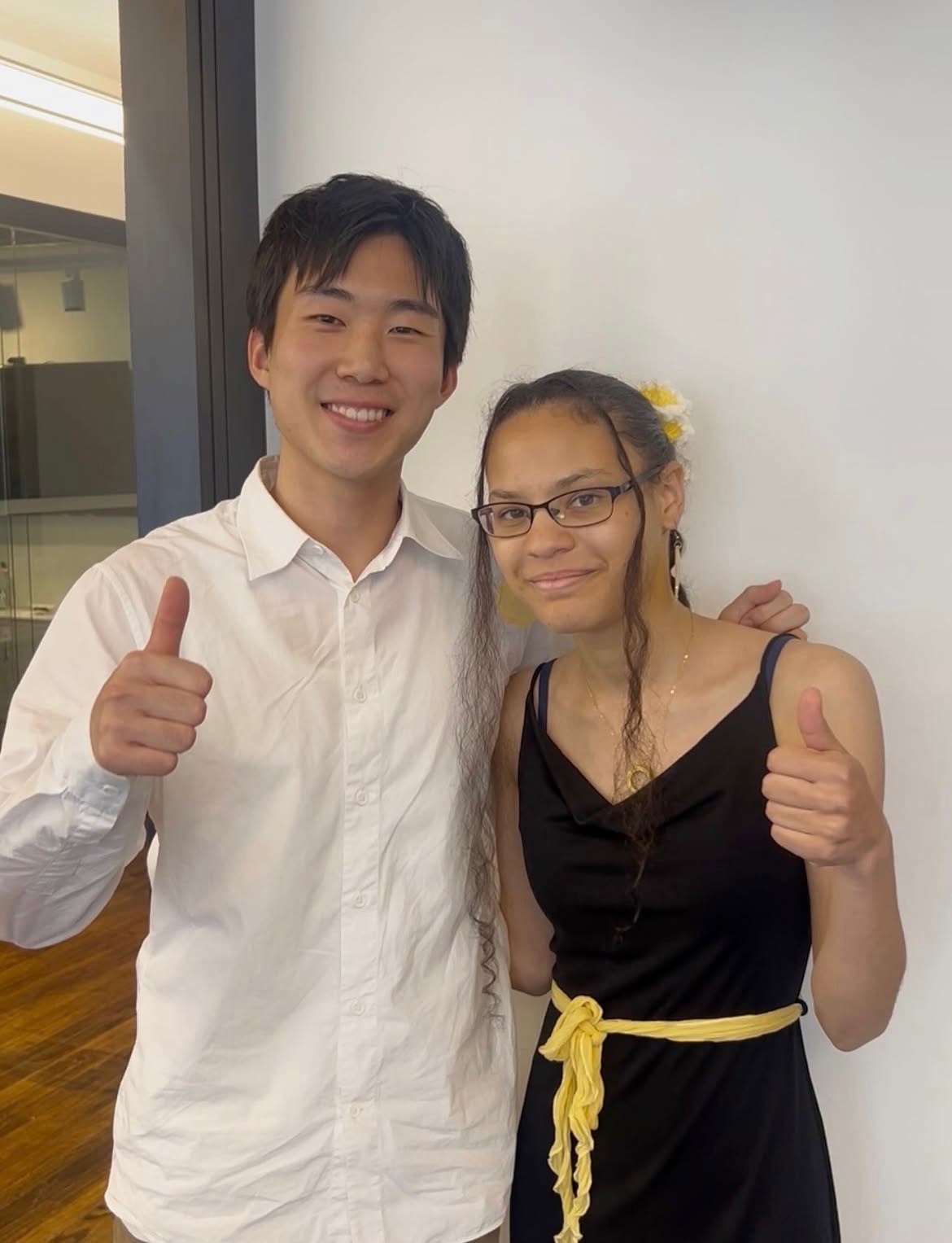
Morgan Shoken-MAOarch
Describe the internship.
During my externship, I gained a deeper understanding of what it takes to deliver a retail project from concept to completion. By reviewing project drawings, construction documents, and design packages, I learned how multiple disciplines work together throughout the project lifecycle. I developed a better understanding of the roles of the client, landlord, architect, engineers, general contractor, millworkers, and specialty vendors, and how each contributes to the successful execution of a retail space. I also learned how design decisions, building codes, permits, engineering coordination, and construction planning all influence the final outcome. This experience showed me that a successful retail project relies on collaboration, communication, and careful coordination between many professionals. It gave me a broader perspective on the retail design and construction process and reinforced my interest in pursuing a career in architecture and project delivery.
How did you get the internship? Please describe how you networked, interviewed, provided portfolio samples, etc.
I’ve been working with MAOarch for a couple of years now, working on projects during the school year and over the summer. Because I was always around, I got to know the team really well and fell in love with how they collaborate and the work they put out. Honestly, this externship has been something we’ve been chatting about since I first started working with them. It wasn’t really a traditional “apply and interview” process, but it was more about showing up, staying consistent, and building a genuine relationship with the team over time. It really just came down to staying in the loop, being reliable, and keeping a great relationship with everyone there. A huge shoutout to Mr. Codio, too! He’s the one who really got the ball rolling and helped make this happen for me.
What were some skills that you brought from WHSAD into your internship?
I brought a foundational understanding of AutoCAD and other software , which allowed me to hit the ground running with technical drafting tasks. Beyond software, I brought a professional mindset cultivated at WHSAD, specifically the ability to work in a studio environment and collaborate with others on design-based projects. Having participated in student projects with MAOarch previously, I also brought a familiarity with their specific workflow and an understanding of professional expectations, which allowed me to transition from an observer to a productive team member quickly.
What were some skills that you developed over the course of the internship?
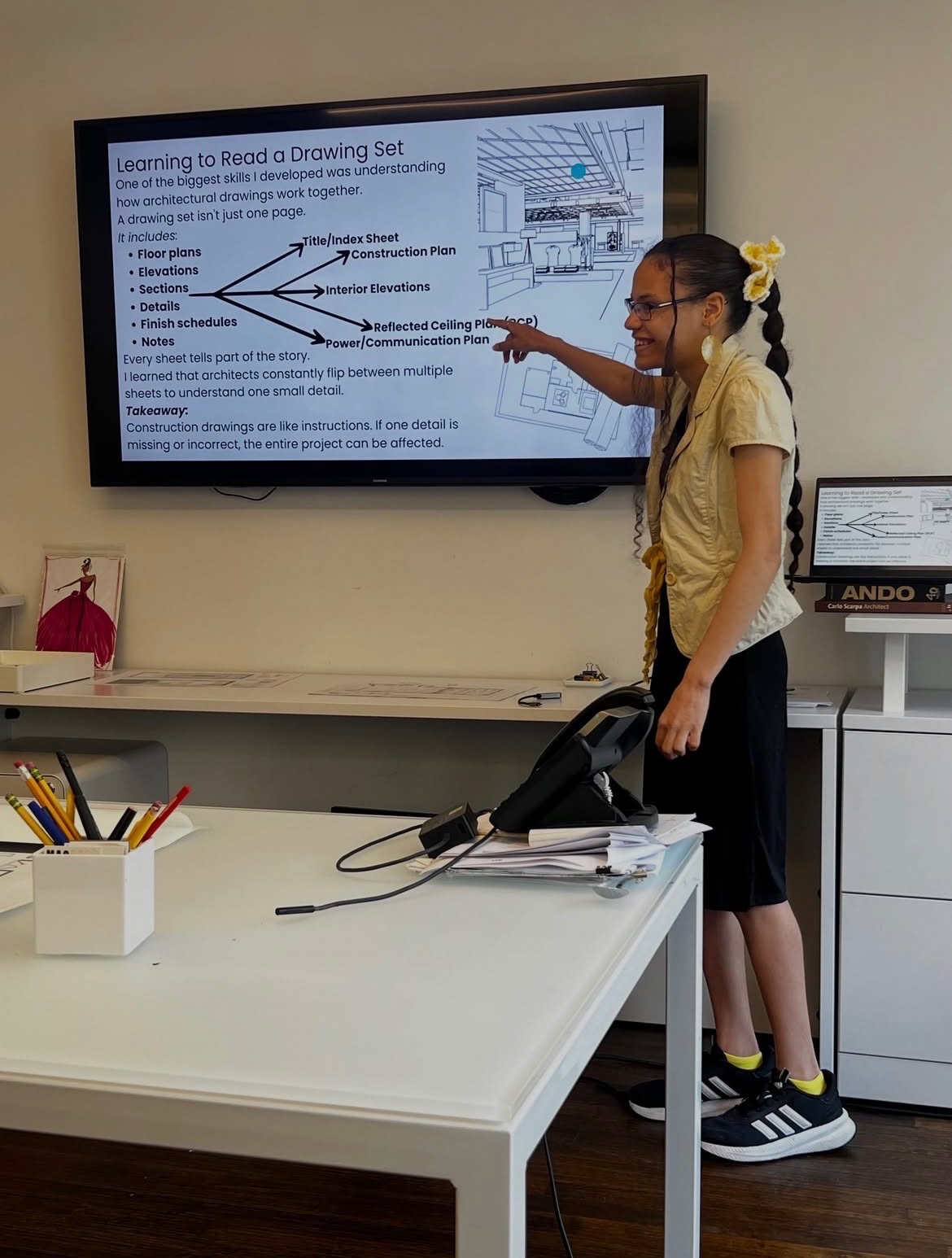
One of the biggest skills I developed was understanding how architectural drawings work together.A drawing set isn’t just one page. It includes floor plans, elevations, sections, details, finish schedules, and notes. Every sheet tells part of the story. I learned that architects constantly flip between multiple sheets to understand one small detail. I also learned the process of how projects progress. It starts out with concept/schematic design which is when the team develops ideas, layouts, and the overall vision. Next is design development which focuses on materials, lighting, millwork, and finishes coordinated to match the designs. Then it’s construction documents which are detailed drawings that are created so contractors know exactly what to build. Bidding comes after and contractors estimate costs and timelines. Soon after construction administration happens where architects answer questions, review shop drawings, and solve problems during construction. Finally, completion; the finished store is inspected before opening. Big Lesson: Every phase builds on the previous one. Skipping details early creates problems later.
Describe a challenge that you faced during the internship, how you dealt with that challenge, and what you learned about yourself and working from the challenge.
A challenge I faced was navigating the complexity of construction documents. Initially, I struggled to cross-reference information between floor plans, sections, and finish schedules, often feeling overwhelmed by the sheer volume of technical drawings required for a single retail space. To overcome this, I began taking detailed notes during our daily meetings and asked a bunch of questions on their process of “layering” information. By observing how they connected a detail on one sheet to a specification on another, I learned to approach problems systematically rather than in isolation. This experience taught me that I am capable of mastering complex technical workflows if I remain patient and ask the right questions to clarify things I don’t know.
Describe a highlight from the internship. What did this moment/experience give to you as a young professional?
The highlight of my internship was experiencing the incredibly welcoming and supportive culture of the team at MAOarch. From my first day, the architects and staff made a point to explain the “why” behind their design decisions, rather than just assigning me tasks. Whenever I had questions about the project lifecycle or technical documentation, they would pause their own work to mentor me, effectively turning every challenge into a learning opportunity. This experience gave me a deep appreciation for the value of a collaborative work environment. As a young professional, it showed me that technical growth is accelerated significantly when you are part of a team that encourages curiosity and values mentorship. It transformed my view of the architecture industry, proving that success is not just about individual talent, but about the willingness of experienced professionals to want to teach people their craft. This supportive dynamic has motivated me to seek out similar collaborative environments in my future career.
What are your next steps now that you have participated in this internship?
Now that I have completed this externship, my next step is to further refine my technical skills by applying the lessons I learned about project phases to my future school projects at WHSAD. I plan to focus more on the coordination of materials and building codes in my design work to better simulate real-world constraints. Additionally, I intend to maintain my relationship with the team at MAOarch to seek further mentorship as I prepare for college applications and a long-term career in architecture and project delivery.
Rooney Gonzalez–FXCollaborative Architects
Describe the internship.
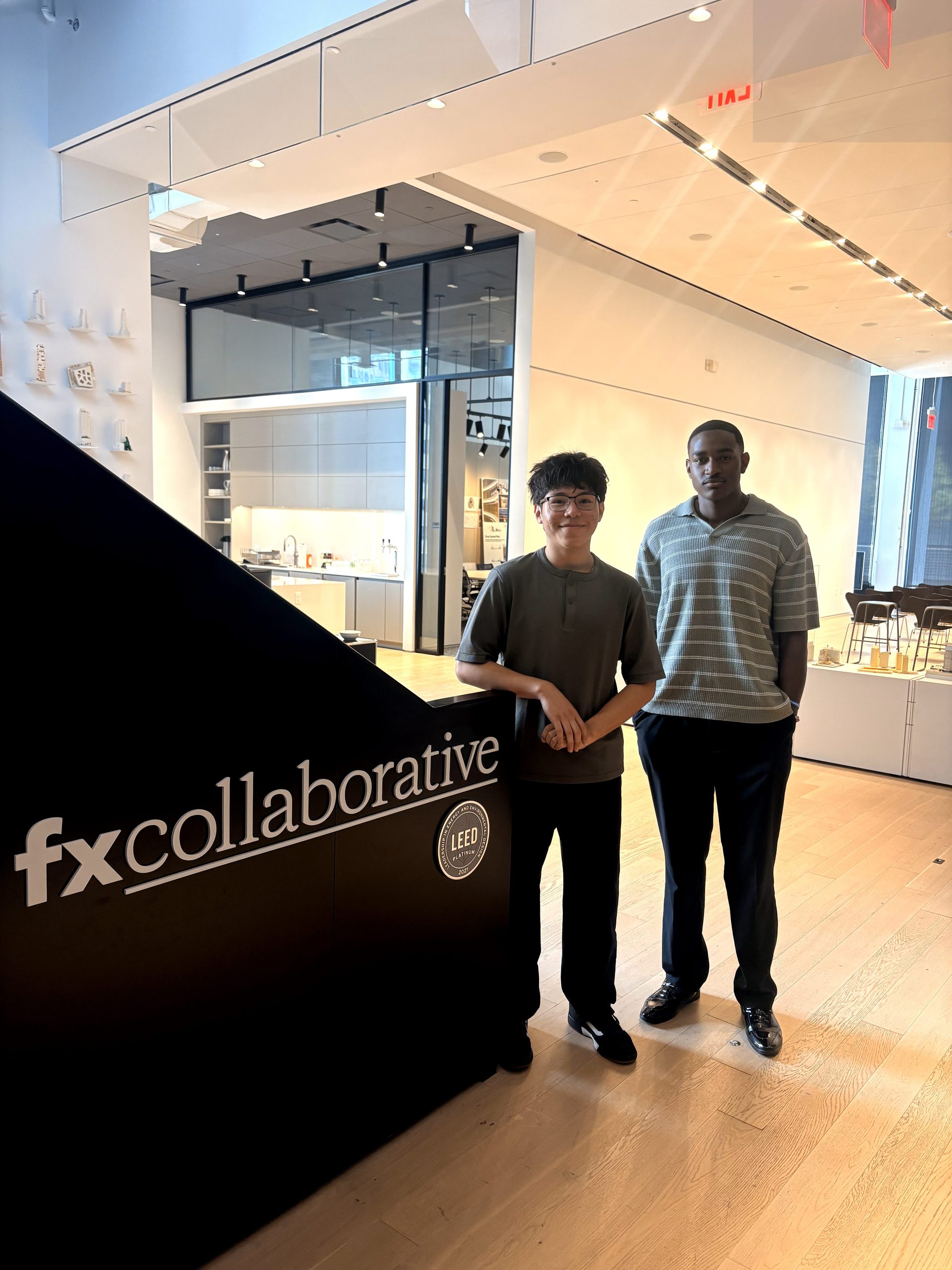
At FXCollaborative Acrhitects, I worked under the director of sustainability, Dan Piseli. I went to the firm 4 days a week for 5 hours, and during that time Dan mentored me. I would shadow him throughout the day, attend project meetings with him, learn about a completely different side of architecture and what happens behind the scenes, along with being taught about the different software that would be were used for sustainability research. I learned key sustainability components and what it means for projects to be sustainable. I got first-hand experience on what its like to work in an architecture work environment and was given great advice from all the other architects who work at the firm.
How did you get the internship? Please describe how you networked, interviewed, provided portfolio samples, etc.
I was informed of the opportunity via Mr. Codio and Mr. Auffrey. I had to send my resume to Mr. Auffrey, and then he sent my resume to FXCollaborative Architects Director of Office Services, Teyana Chin. From there, I was called to the architecture firm for an interview for the internship, so all I needed to give was my resume, then interview.
Walking into a prominent firm like FXCollaborative was intimidating, but I prepared by making sure I could clearly talk about my academic background, my design interests, and my eagerness to learn. During the interview, I focused on presenting myself professionally and showcasing my passion for architecture.
What were some skills that you brought from WHSAD into your internship?
My experience at WHSAD gave me a strong foundation that helped me succeed during this internship. For starters, the technical training I received in architecture software at WHSAD—specifically the fundamentals of AutoCAD and Revit—gave me a massive head start. Because I already understood the core fundamentals of digital modeling and drafting, transitioning to new, industry-standard software like Rhino felt natural rather than overwhelming. So instead of learning to navigate a 3D workspace from scratch, I quickly understood Rhino’s specific toolsets and immediately contributed to dissecting projects.
Besides technical capability, WHSAD prepared me with a strong sense of situational professionalism. Understanding how to communicate effectively with project leaders, meet deadlines, and present myself in a workplace environment allowed me to smoothly transition into the firm’s culture. Although it took some time to adapt to the work environment, the transition was definitely easier due to the preparation from WHSAD. Ultimately, the combination of these hard and soft skills allowed me to pivot from a learning student to an active, reliable contributor.
What were some skills that you developed over the course of the internship?
During my internship, I was able to grow both my technical skills and my personal strengths. On the technical side, I spent a decent amount of time working with Rhino to analyze 3D models. I also learned how to use Grasshopper to create code for sustainability tasks, such as analyzing sunlight rays on buildings.
Other than software skills, I learned how to handle the fast-paced nature of professional projects. I developed a lot of adaptability and resilience by staying positive and shifting focus whenever project requirements changed. This environment also gave me a great opportunity to improve my communication and teamwork. By sharing clear updates and working closely with the Director of Sustainability, Dan Piseli, I was able to make sure my tasks were done to the best of my ability.
Describe a challenge that you faced during the internship, how you dealt with that challenge, and what you learned about yourself and working from the challenge.
Early in my internship, my biggest challenge was overcoming the intimidation of interacting with professionals. When it came to starting conversations or asking questions, I constantly found myself overthinking what to talk about or what questions to ask. I worried that because of the massive gap in our experience and knowledge, I wouldn’t be able to hold a meaningful conversation with the architects.
However, I experienced a major turning point when I realized that the very thing holding me back was actually the solution to my problem. I wasn’t there to match their level of expertise; I was there to obtain it. Changing my perspective from ‘needing to impress’ to ‘wanting to learn’ changed everything. I began approaching everyone with the genuine intention of learning something new, no matter how small.
To my surprise, I discovered that the architects weren’t judgmental at all—they were incredibly generous with their time and eager to teach me. This experience taught me that growth requires you to step out of your comfort zone and take initiative. Constantly asking questions and initiating conversation is more than just a workplace skill; it is a vital life skill that builds confidence, unlocks mentorship, and opens doors wherever you go.
Describe a highlight from the internship. What did this moment/experience give to you as a young professional?
A standout highlight of my internship at FXCollaborative was attending a project meeting focused on Passive House design. All the information I was obtaining about sustainability was completely new to me, so seeing a house design that drastically minimized energy usage was incredible, yet seeing it applied at this scale was an incredible eye-opener. Later, I learned how the firm was actively looking for ways to scale up and ‘blow up’ Passive House core features—which are traditionally used for smaller residential homes—and apply them to massive commercial and office buildings.
Witnessing this level of innovation firsthand was a defining moment of my internship. It wasn’t just a concept; it was a front-row seat to the future of sustainable architecture. Seeing the architects navigate the complex process, thermal boundaries, and spatial challenges required to bring Passive House standards to a high-density commercial scale was deeply inspiring. It completely expanded my understanding of what is possible in sustainable design and ignited a passion in me to be part of the next generation of architects pushing these exact boundaries.
What are your next steps now that you have participated in this internship?
Participating in this internship at FXCollaborative completely redefined my expectations of the profession and showed me what is truly possible in the world of architecture. Moving forward, my immediate next step is to continue to pursue more opportunities like this one, ensuring I never let a chance for growth pass me by. This experience taught me that the most rewarding paths often lie outside of your comfort zone.
Armed with the new technical tools I’ve mastered and a newfound confidence in taking initiative, I am more committed than ever to building my career in architecture. I plan to continue seeking out environments that challenge me, deepening my knowledge of sustainable innovation like Passive House design, and proactively connecting with professionals in the field as I lay the groundwork for my future as an architect.
Anthonissa Joseph-
Describe the internship.
In the internship I got to learn in-depth of what interior designers do and the behind the scenes of their work. I got to touch bases on almost every aspect of being an interior designer, such as visiting sites (clients), attending meetings with contractors, architects, clients, and consultants.
How did you get the internship? Please describe how you networked, interviewed, provided portfolio samples, etc.
I was presented with the opportunity to have an interview with Mr. Ron from McKissack McKissack from Mr. Codio. In the interview I was given information about the company and the work that they do there. Prior to the interview I got a brief summary from Mr. Codio about the company, and he stated a lot of information about them being mainly construction and engineering based, and I was very open about the fact that I did not want to do either of those things, but I decided to just do the interview because I knew that I could network and be presented with another opportunity.
Yes, the interview was an amazing opportunity, and I was grateful; however, it did not fall in line with my plan of receiving an interior design internship before or during my senior year of high school. Stepping into the interview I was prepared to explain how eager I am on wanting to step foot into my career and get experience in the actual field. I explained how passionate I am about interior design. I kept bringing it up when he spoke about construction or engineering. I was persistent, and he told me he admired that. Once the meeting was coming to an end, he asked me if I had any questions, and I said, “If you have any opportunities for me even after the program ends, I would really appreciate it.” He looked visibly taken aback, and I could tell he was shocked, impressed even. He stated how that question changed everything and solidified his belief that I truly was determined on getting started in my career as an interior designer.
What were some skills that you brought from WHSAD into your internship?
Some skills that I brought from WHSAD to my internship were creating mood boards, sending emails, and my knowledge of floor plans & space planning. Since the internship was interior design, I applied my skill in putting together design concepts, working with color schemes, and working with floor plans. My business partner/boss and other people that I interacted with were surprised at the fact that I know about architectural softwares and have experience in working with them. With them knowing that information they deemed me as someone who has my foot in the door to my interior design career.
What were some skills that you developed over the course of the internship?
Throughout the program I learned how to advocate for myself without feeling guilty or putting others before myself. In the workplace I learned how to make schedules in Google Sheets for contractors to have information and instructions on how to install items. It was tedious and time-consuming; however, it showed me that Interior Design isn’t as easy and simple as I thought. I also learned how to hyperlink items on Canva when creating a mood board with items from actual websites.
Describe a challenge that you faced during the internship, how you dealt with that challenge, and what you learned about yourself and working from the challenge.
A challenge that I faced during the internship was actually taking the job seriously as real life work because I’ve done plenty projects and practice clientele assignments in school. I dealt with that challenge by asking my boss, Camia, questions and just allowing her to tell me how being an interior designer really is and how to take it seriously for clients and companies to take you seriously.
Describe a highlight from the internship. What did this moment/experience give to you as a young professional?
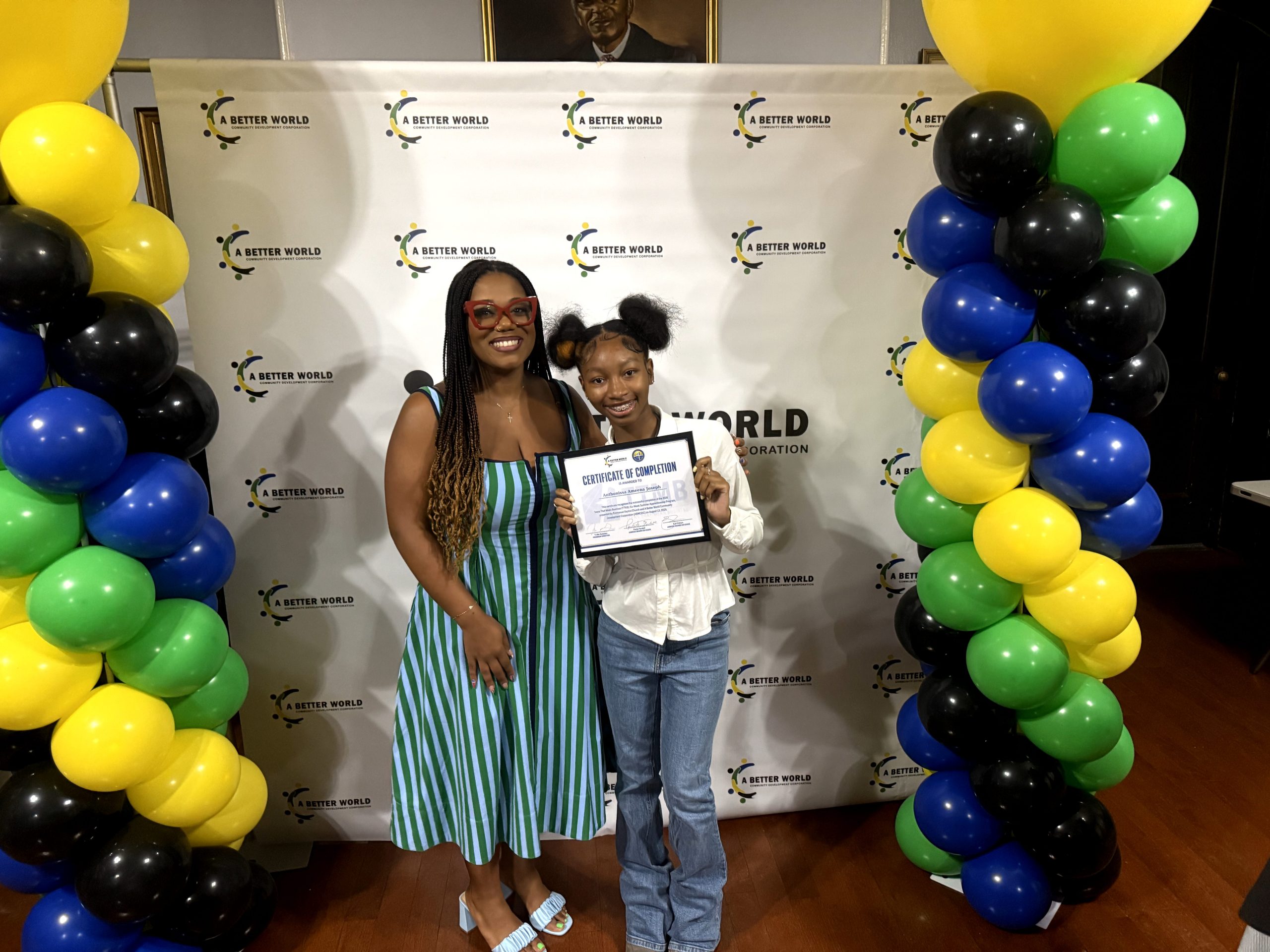
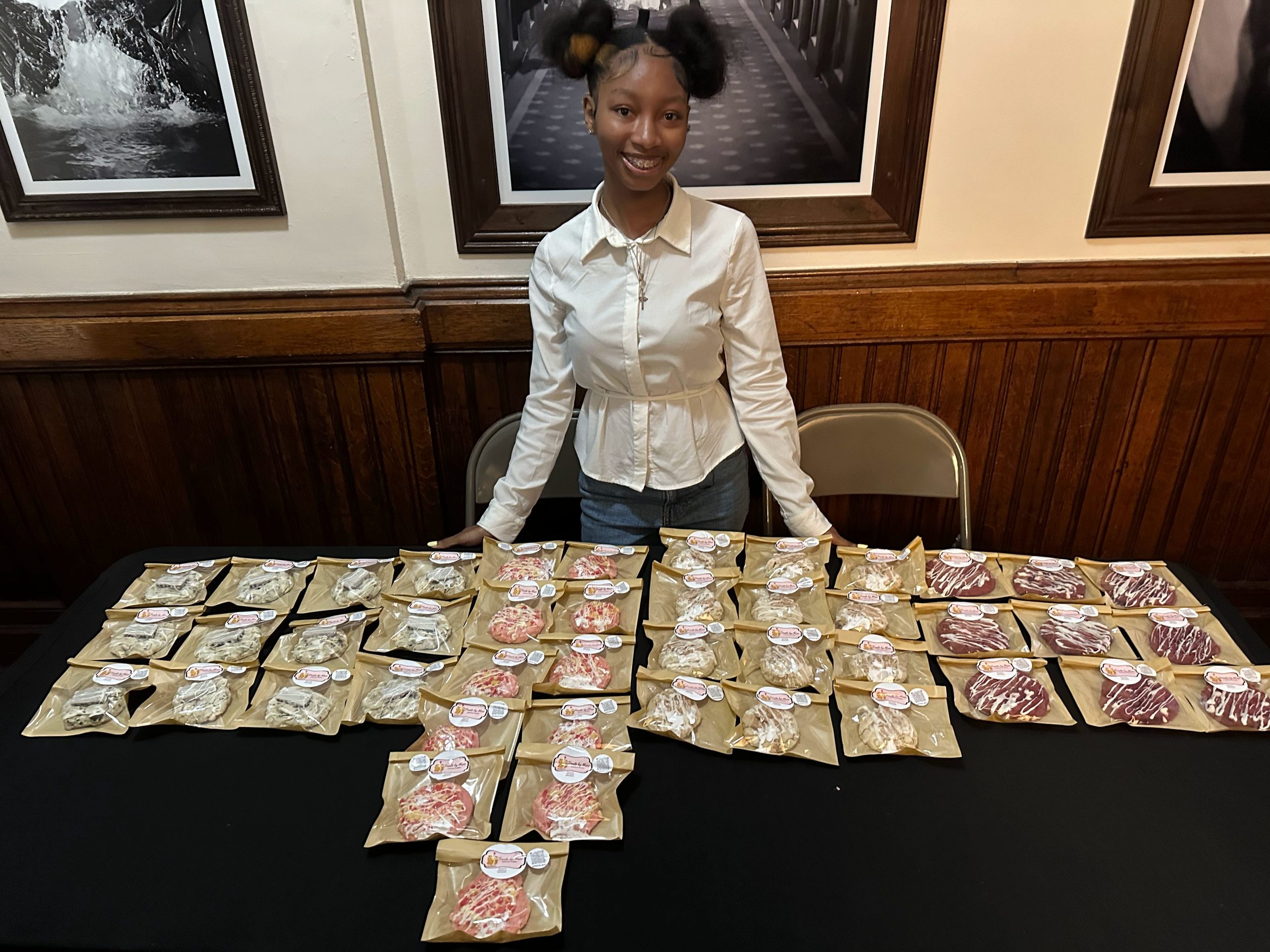
A highlight from the internship was the closing ceremony of the program where I got to bake cookies for everyone. I didn’t realize that I’d get so much love, support, and attention to my small business. Their kindness and love motivated me to continue growing as a baker and an entrepreneur, and it reminded me how important it is to be social and open to people who will support my dreams. This moment gave me confidence in myself and my ability to further my entrepreneurship and it showed me that my hard work and passion for baking can have a huge impact on my career as a baker.
What are your next steps now that you have participated in this internship?
My next steps are continuing to learn and broaden my experience and knowledge in interior design alongside my business partner Camia Brown as she welcomed me to continue working with her for as long as I like. I will also work on mini projects on my own to build a portfolio of my own designs concepts. I will continue to work as an intern during my college years to get as much experience as possible.